


Introduction
AI architecture design tools are changing how architects create building concepts, explore layouts, and develop early design ideas. Instead of spending hours building models before visualizing a concept, architects can now generate architectural designs using AI prompts, sketches, or reference images.
With RunDiffusion, architects can explore building forms, generate architectural concepts, and visualize layouts quickly using AI-powered workflows. These tools allow architects to test multiple design directions, experiment with materials and styles, and produce visual concepts early in the design process.
This guide explains how AI architecture design works, how architects use AI to generate building concepts and layouts, and which AI tools help architects accelerate the design phase of architectural projects.
What Is AI Architecture Design?
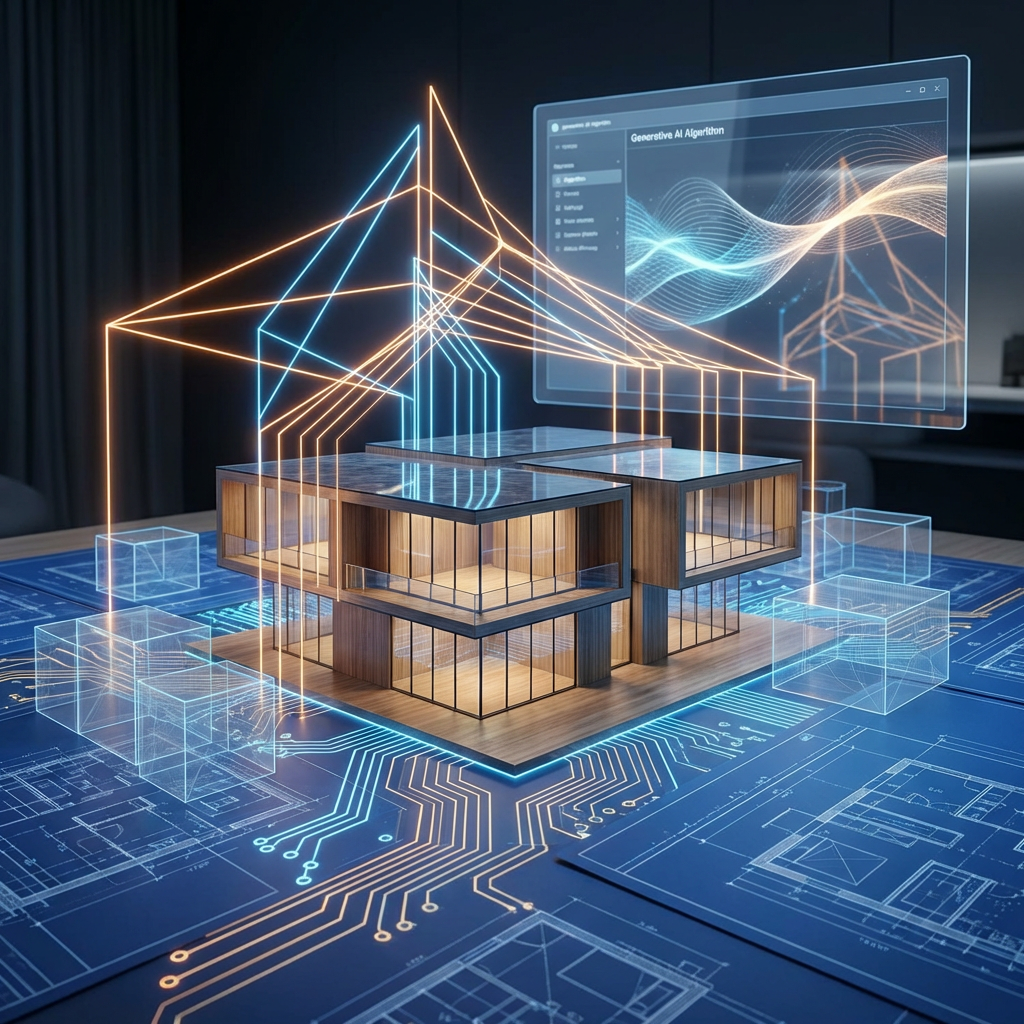
AI architecture design refers to using artificial intelligence tools to assist with the creation of building concepts, layouts, and architectural visualizations. These tools help architects generate design ideas quickly and explore architectural possibilities before committing to detailed modeling or drafting.
Instead of designing a single concept at a time, AI allows architects to generate multiple variations of a building concept in minutes. This makes it easier to experiment with building shapes, spatial layouts, and architectural styles.
AI architecture design tools help architects with tasks such as:
- generating building concepts from prompts or reference images
- exploring building forms and massing variations
- creating architectural layout ideas
- visualizing design concepts before detailed modeling
- experimenting with architectural styles and materials
These capabilities allow architects to move from an idea to a visual concept much faster than traditional design workflows.
How AI Helps Architects Design Buildings
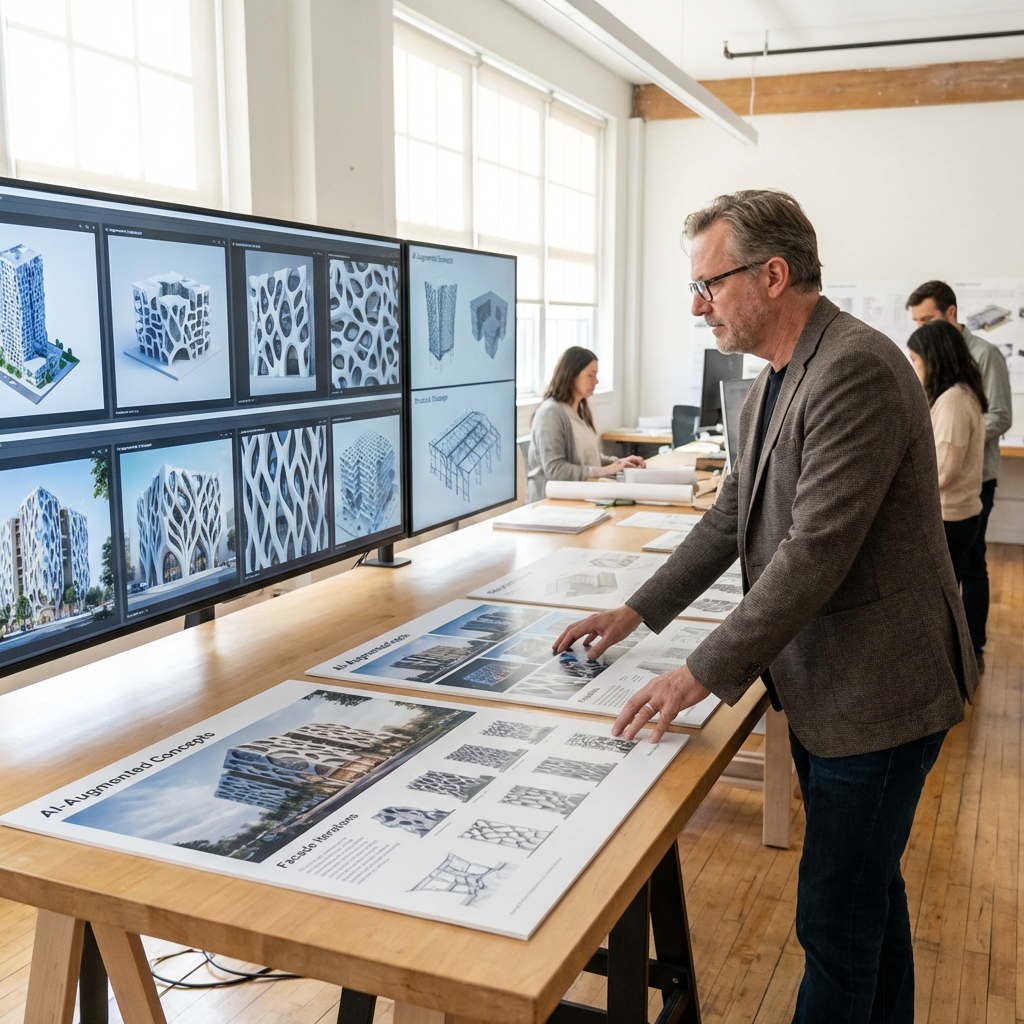
Architectural design often begins with broad ideas rather than finished models. During early design phases, architects explore different possibilities before refining a project into detailed plans.
AI architecture design tools help accelerate this process by allowing architects to generate concept images and building forms quickly. Many architecture firms are now experimenting with AI architecture design tools to accelerate concept development and early design exploration.
Architects commonly use AI tools for:
- early-stage building concept exploration
- architectural planning and layout ideas
- facade design experimentation
- design moodboards and inspiration
- visual concept presentations for clients
Instead of manually producing dozens of design studies, AI allows architects to generate many variations rapidly and evaluate them visually.
This helps architects refine ideas faster and communicate design concepts more clearly during the early phases of a project.
AI Building Design from Text Prompts
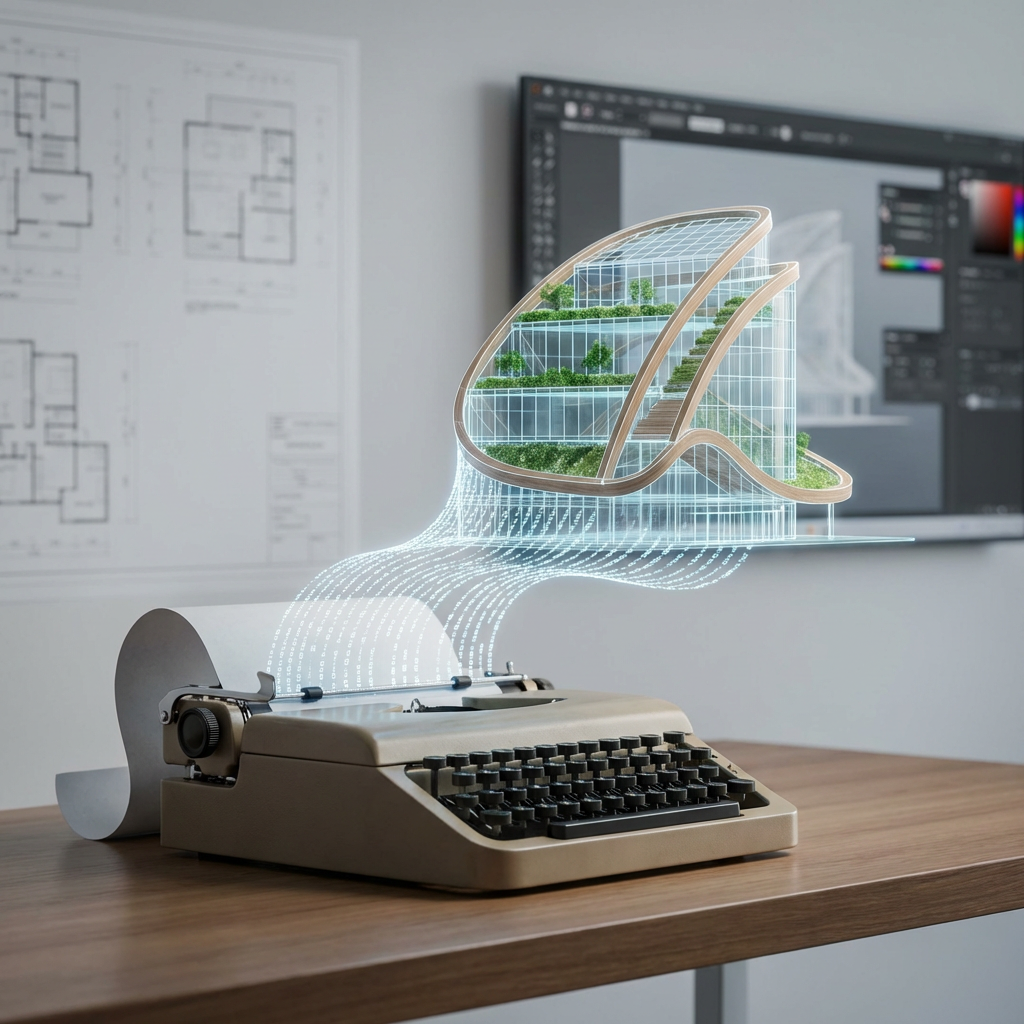
One of the most powerful capabilities of modern AI design tools is text-to-architecture generation.
Architects can describe a building concept using a short prompt, and AI models generate architectural imagery based on that description.
For example, prompts might include:
- contemporary hillside home with large glass windows
- sustainable timber apartment complex surrounded by trees
- futuristic museum with curved concrete architecture
- modern coastal house with open terraces and natural materials
AI interprets these prompts and generates visual building concepts that architects can refine further.
RunDiffusion explains how to generate architectural images using prompts in the guide to text-to-image guide:
These tools help architects move quickly from a written idea to a visual architectural concept.
Exploring Architectural Layouts and Building Forms with AI
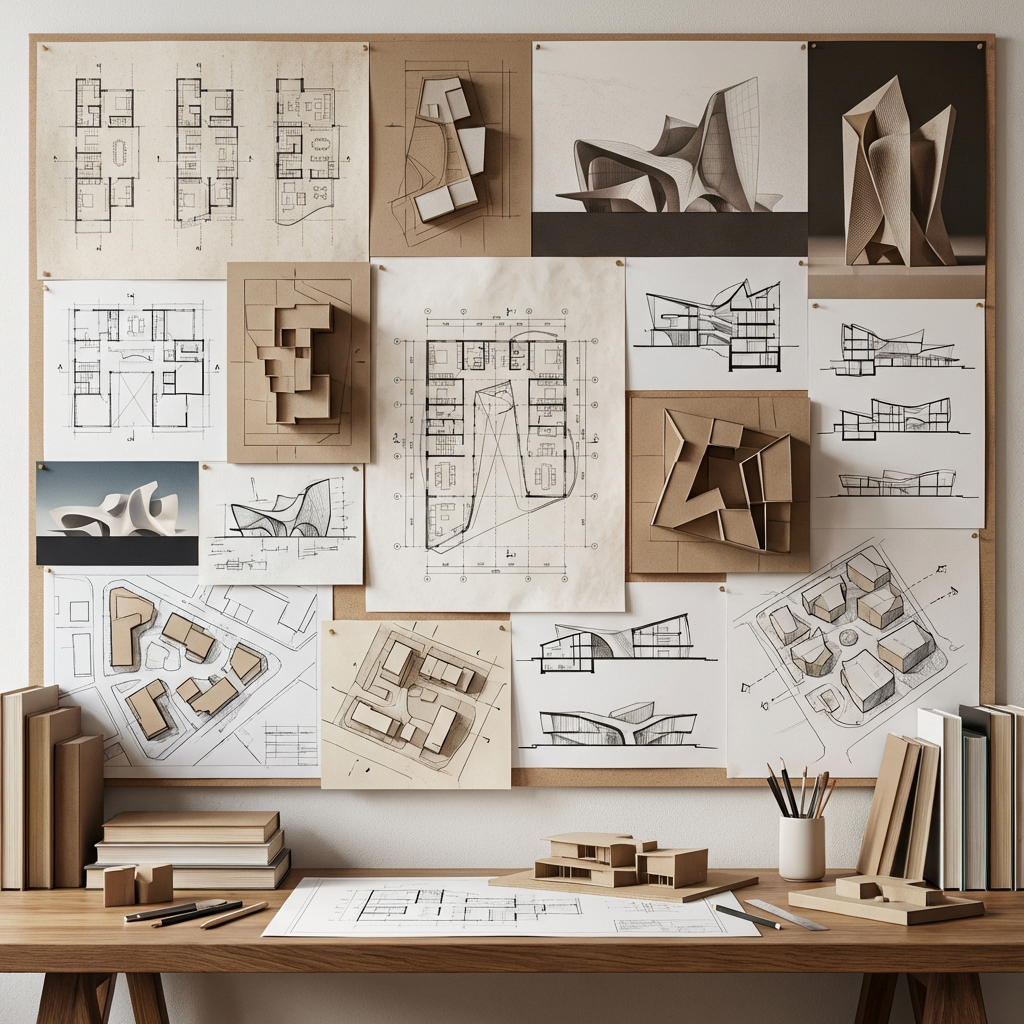
AI architecture design tools are especially useful for exploring building layouts and early building concepts during architectural planning.
Architects can generate variations of building massing, floor layouts, and structural compositions to test how a building might look and function.
For example, architects may explore:
- building height and massing options
- facade pattern variations
- layout configurations for residential or commercial spaces
- building shapes that respond to site constraints
By generating multiple design variations quickly, AI helps architects evaluate options before committing to detailed architectural models.
AI Architecture Workflows Available on RunDiffusion
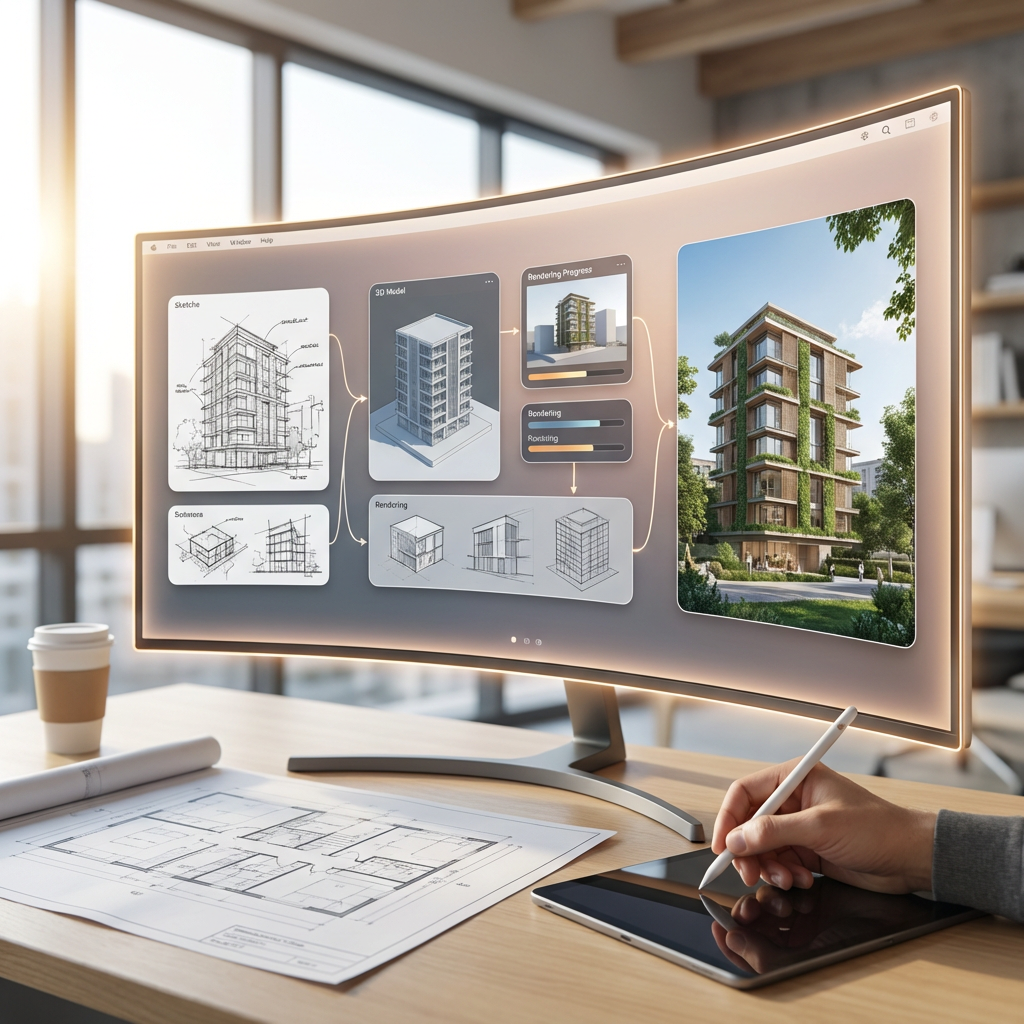
RunDiffusion includes pre-built Runnit Boards that help architects generate architectural concepts and design ideas using structured AI workflows.
These workflows simplify complex AI processes and allow architects to focus on design exploration rather than technical setup.
Several RunDiffusion workflows are especially useful for architecture design.
Early-Stage Concepting & Moodboarding
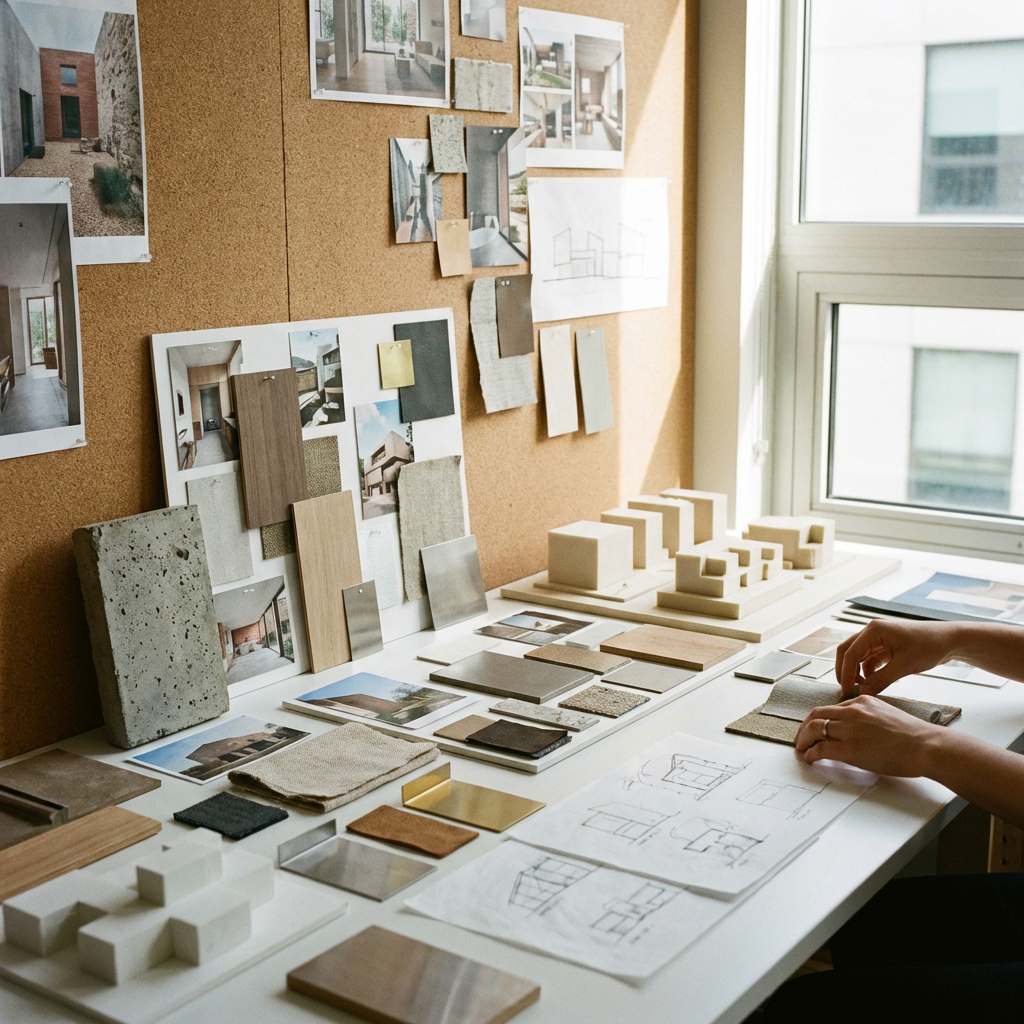
Architectural projects often begin with moodboards and visual inspiration.
The Early-Stage Concepting & Moodboarding template allows architects to generate design ideas, explore architectural styles, and develop visual inspiration for projects.
This workflow is useful for:
- concept development
- project moodboards
- architectural style exploration
- early design discussions
Explore the workflow here:
Massing & Form Exploration in Architecture
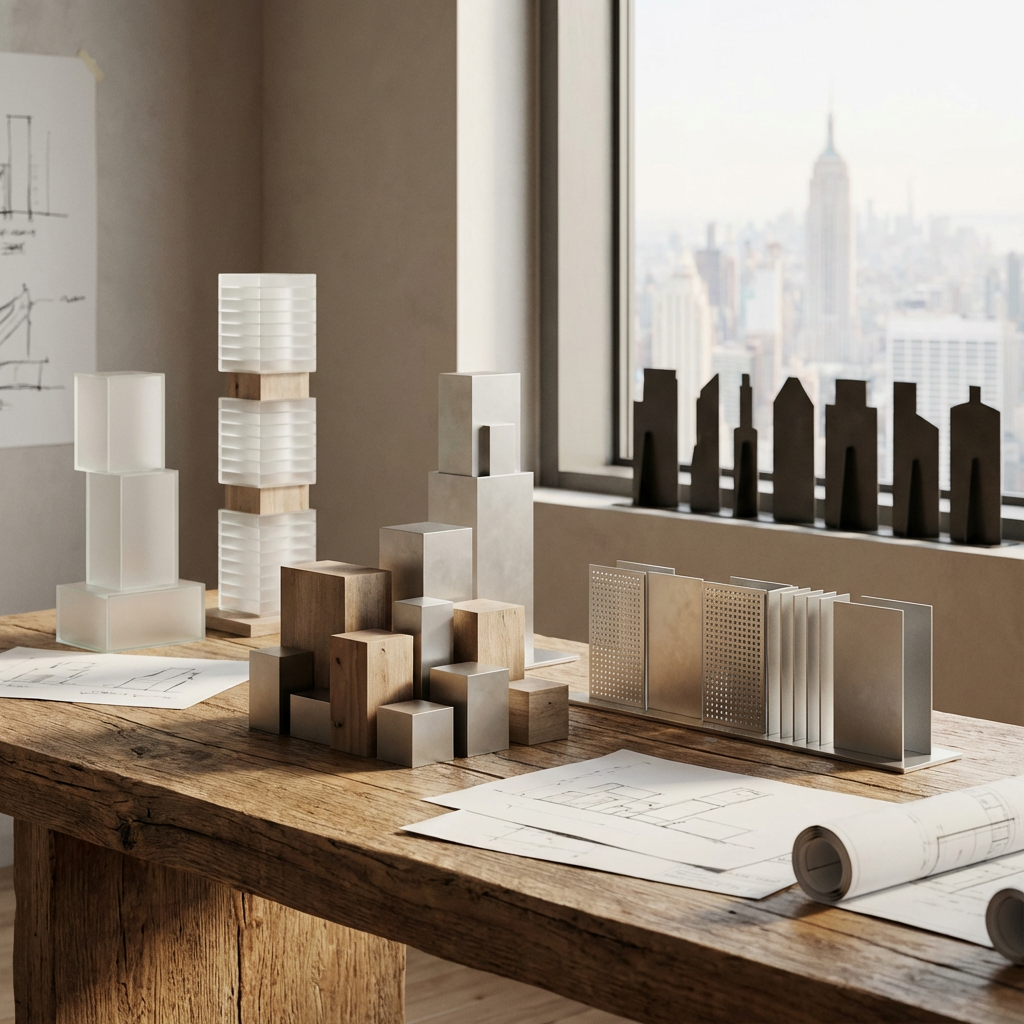
Massing studies are a key step in architectural design. Architects use massing models to explore how buildings interact with their surroundings.
The Massing & Form Exploration workflow allows architects to generate different building shapes, volumes, and structural configurations using AI.
Architects can experiment with:
- tower massing variations
- building silhouettes
- facade structures
- structural layouts
Launch the workflow here:
Architecture Sketch to Render
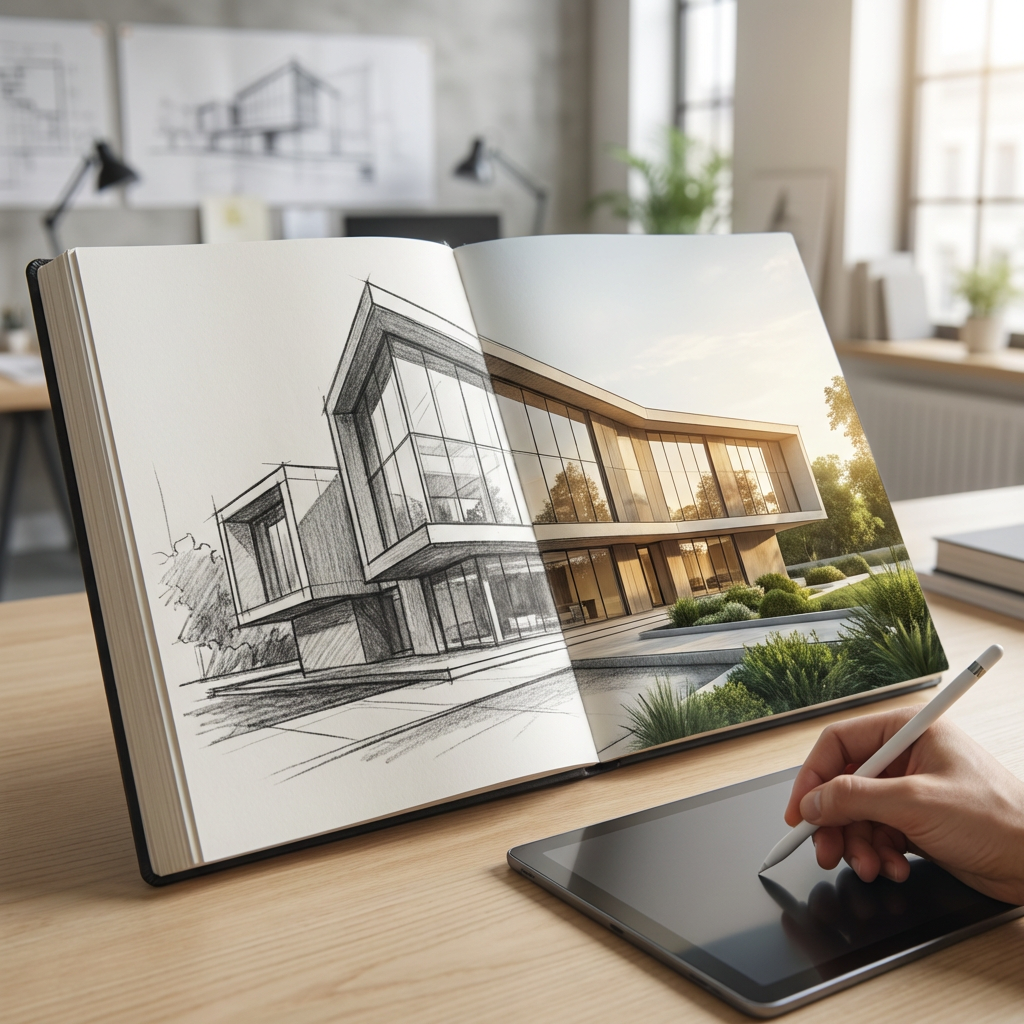
Many architects begin with hand sketches or conceptual drawings.
The Architecture Sketch to Render template allows architects to transform sketches into realistic architectural images using AI.
This workflow typically includes:
- Uploading a sketch or concept drawing
- Adding prompts describing materials or style
- Generating a realistic architectural render
Explore the template here:
Interior Design Staging
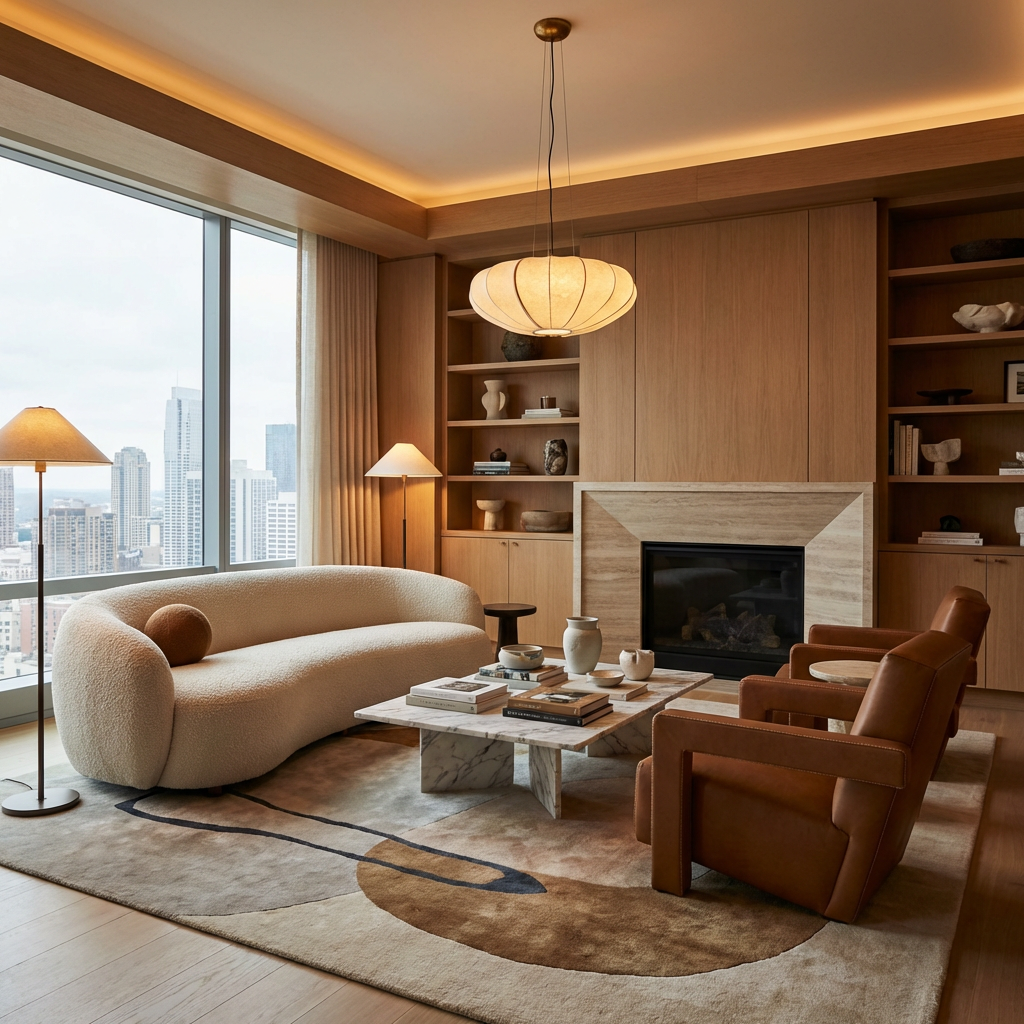
Interior design is another important part of architectural design.
The Interior Design Staging workflow allows architects and designers to generate interior design variations, staging concepts, and material palettes.
This workflow helps designers visualize:
- residential interiors
- architectural staging concepts
- interior layouts
- material and color variations
Try the workflow here:
Landscape Architecture Visualization
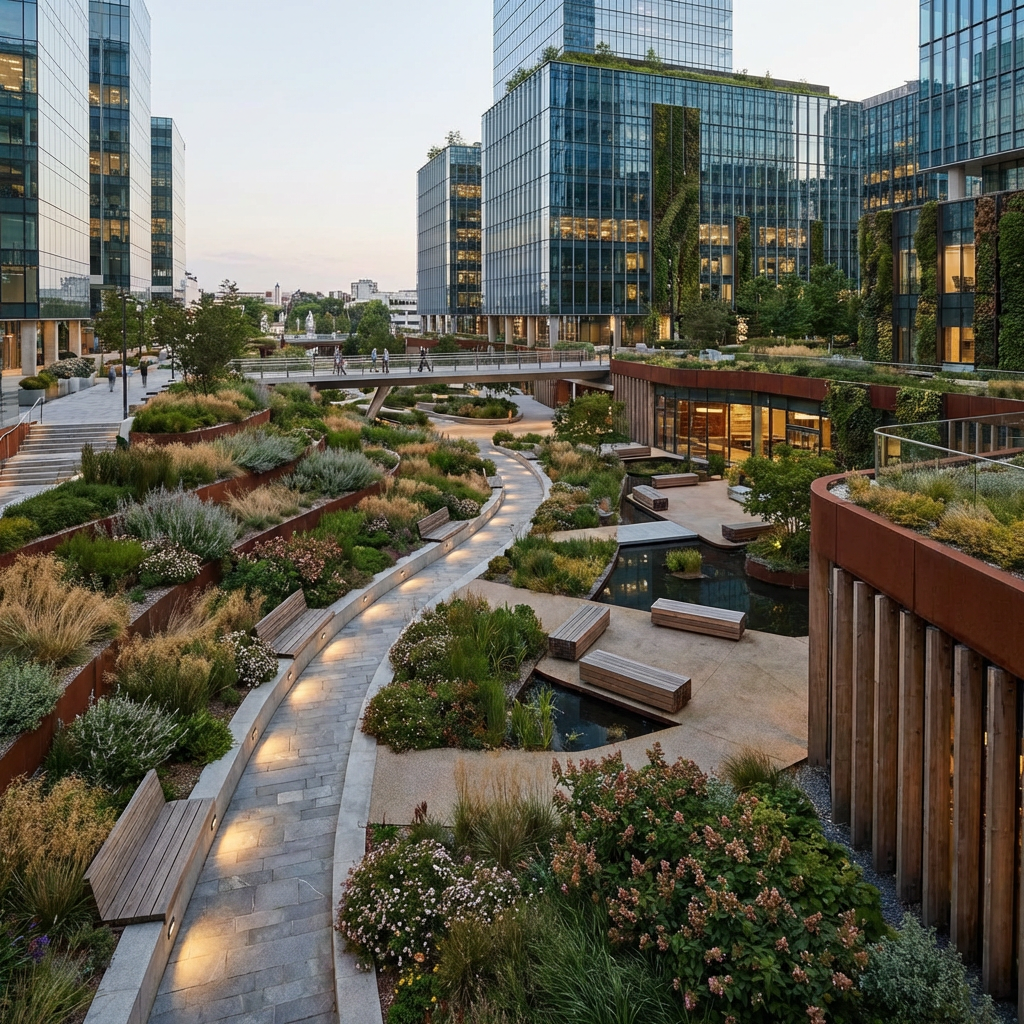
Architectural design also includes outdoor spaces and site design.
The Landscape Architecture workflow helps architects visualize parks, courtyards, and urban environments using AI-generated concepts.
This workflow is useful for:
- site planning visualization
- landscape architecture concepts
- environmental design ideas
- outdoor architectural presentations
Launch the workflow here:
AI Tools for Architectural Design and Visualization
Architects often combine several AI workflows when developing design concepts.
For example, a design process might include:
- Generating concept ideas with text prompts
- Creating moodboards and visual references
- Exploring building massing variations
- Converting sketches into rendered architecture
- Refining visual concepts for presentations
Architects looking to create high-quality architectural visualizations may also find it helpful to explore this guide to free AI render tools for architecture:
These tools help transform design ideas into realistic architectural imagery that can be used in presentations or project proposals.
Getting Started with AI Architecture Design on RunDiffusion
Architects can begin experimenting with AI architecture design tools directly on the RunDiffusion platform. Create a Runnit Board using one of our premade tempaltes and begin designing immediately.
To generate architectural concepts:
- Log in at https://app.rundiffusion.com/login
Open the RunDiffusion Runnit Platform

Select Runnit Boards on the left sidebar. Then View all templates.

Click on the All Templates icon and select Featured.

Select one of our featured Architecture Templates. Then select Create board.

Name your Board and give it a description then Click Create.

Click on the chevrons to expand or contract a tool. Enter a prompt and click Run to start designing images.

Within minutes you will have your own workflow setup. RunDiffusion generates architectural concepts that can be refined or expanded using additional prompts and workflows.
This allows architects to explore ideas quickly and experiment with different design directions.
The Future of AI Architecture Design
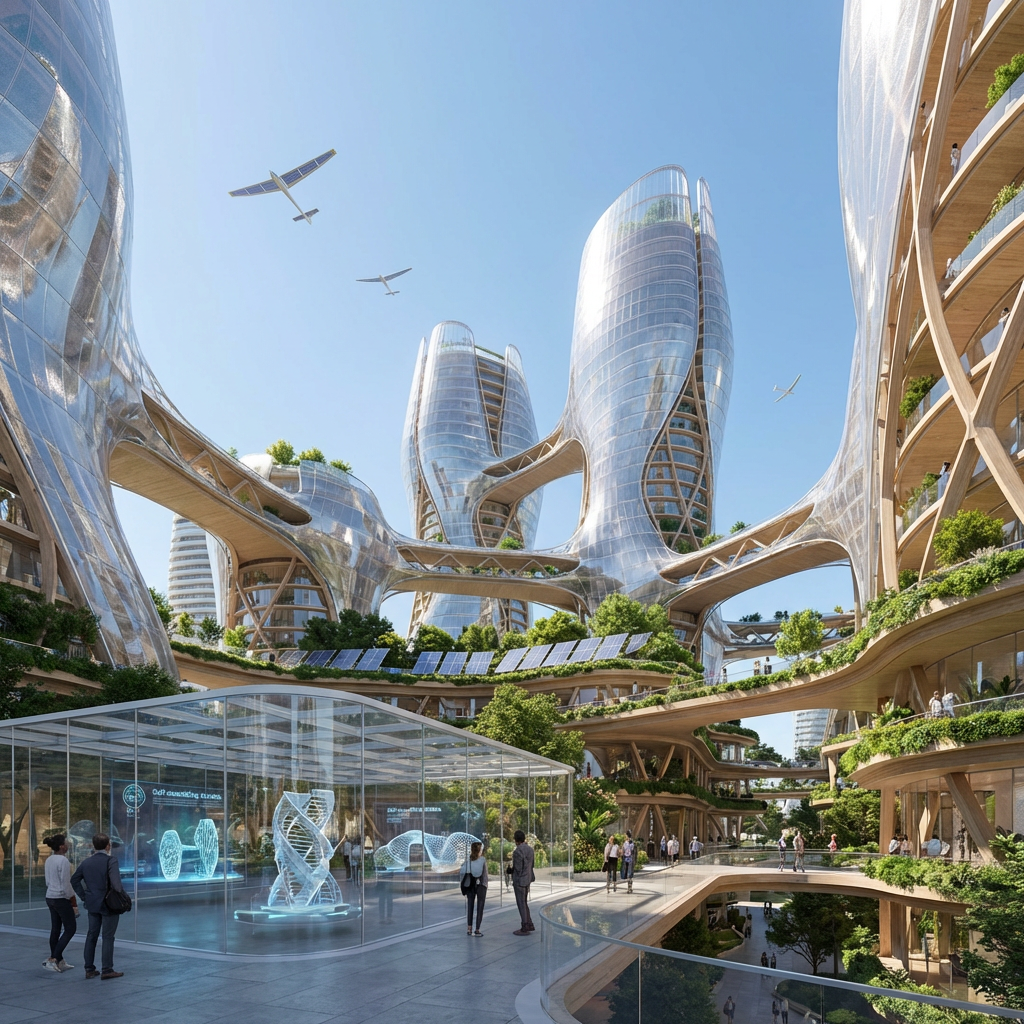
AI architecture design tools are rapidly becoming part of modern architectural workflows. Rather than replacing architects, these tools expand creative possibilities and help designers explore ideas more efficiently.
Architects can use AI to:
- generate architectural concepts faster
- experiment with building layouts and forms
- explore facade and material variations
- create visual presentations for clients
- refine early-stage design ideas
As AI tools continue to evolve, architects will gain even more powerful ways to turn design concepts into architectural visuals and develop projects more efficiently.
AI Architecture Design FAQ
What is AI architecture design?
AI architecture design refers to using artificial intelligence tools to help architects generate building concepts, explore layouts, and visualize architectural ideas. AI tools can create architectural images, design variations, and conceptual layouts from prompts, sketches, or reference images, allowing architects to explore design ideas much faster.
Can AI design buildings?
AI can generate building concepts and architectural visuals, but it does not replace architects. Instead, AI helps architects explore ideas, experiment with building forms, and visualize design possibilities early in the design process. Architects still guide the design decisions, technical planning, and final architectural solutions.
How do architects use AI for architecture design?
Architects use AI tools for several tasks during the design phase, including generating building concepts, exploring massing studies, creating design moodboards, and visualizing architectural layouts. AI can also convert sketches into architectural renders and generate concept images from text descriptions.
What AI tools help with architecture design?
AI architecture design tools allow architects to generate building concepts, experiment with facade ideas, and explore spatial layouts. Platforms like RunDiffusion provide AI workflows that help architects create architectural concepts, refine designs, and generate visual presentations for projects.
Can AI turn sketches into architectural designs?
Yes. AI tools can transform hand sketches or concept drawings into detailed architectural images. This workflow allows architects to start with a rough sketch and generate a realistic visualization of the design, helping teams evaluate ideas before building detailed 3D models.
