


Introduction
AI architecture generators are transforming how architects and designers create building concepts, explore layouts, and visualize architectural ideas. Instead of spending hours building early-stage models or sketches, architects can now generate architectural concepts instantly using AI prompts, reference images, or sketches.
With modern AI architecture generators, architects can experiment with building forms, explore facade variations, and visualize entire design concepts within minutes. These tools allow design teams to test multiple design directions quickly and explore visual concepts early in the design process.
RunDiffusion provides powerful AI tools that allow architects to generate architectural images, explore building forms, and experiment with design concepts using structured workflows. This guide explains how AI architecture generators work, how architects use them to create building concepts, and how you can start generating architectural designs using AI.
What Is an AI Architecture Generator?
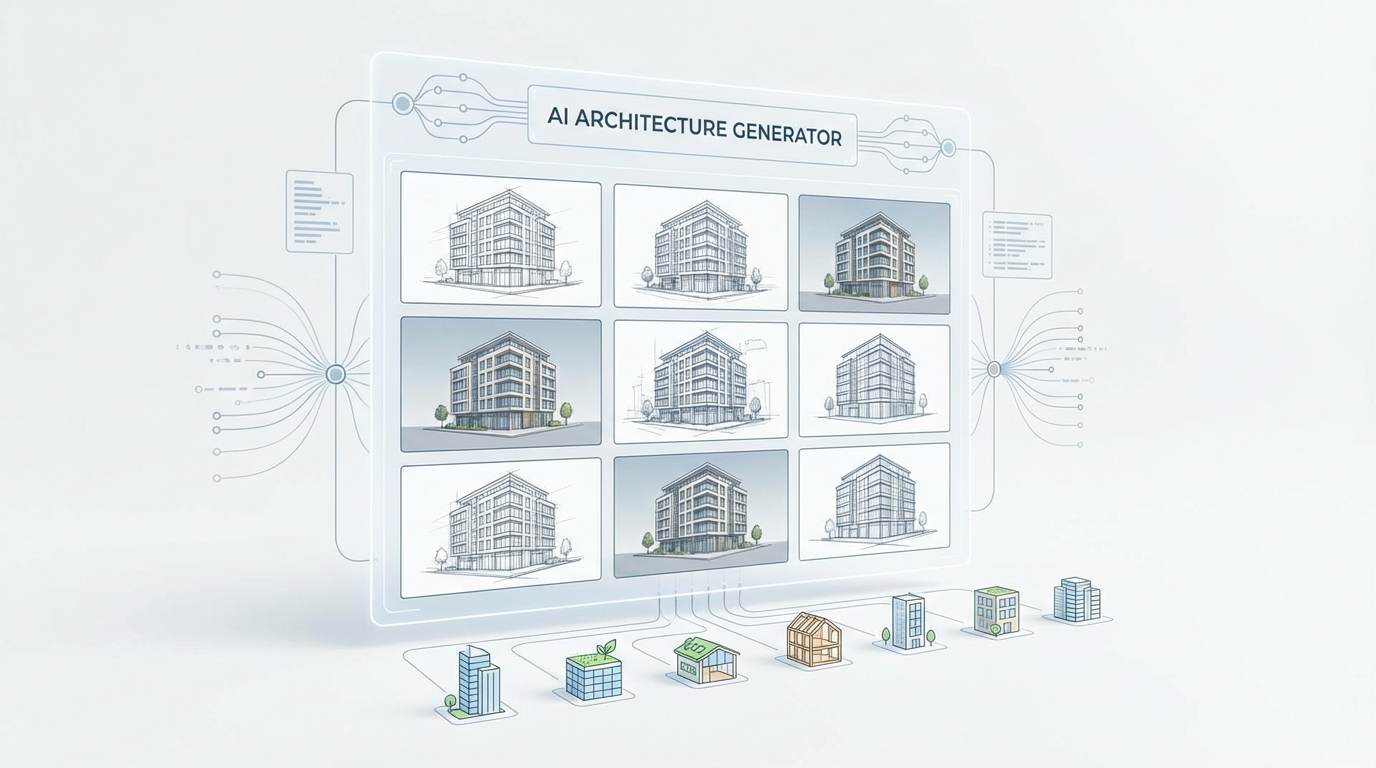
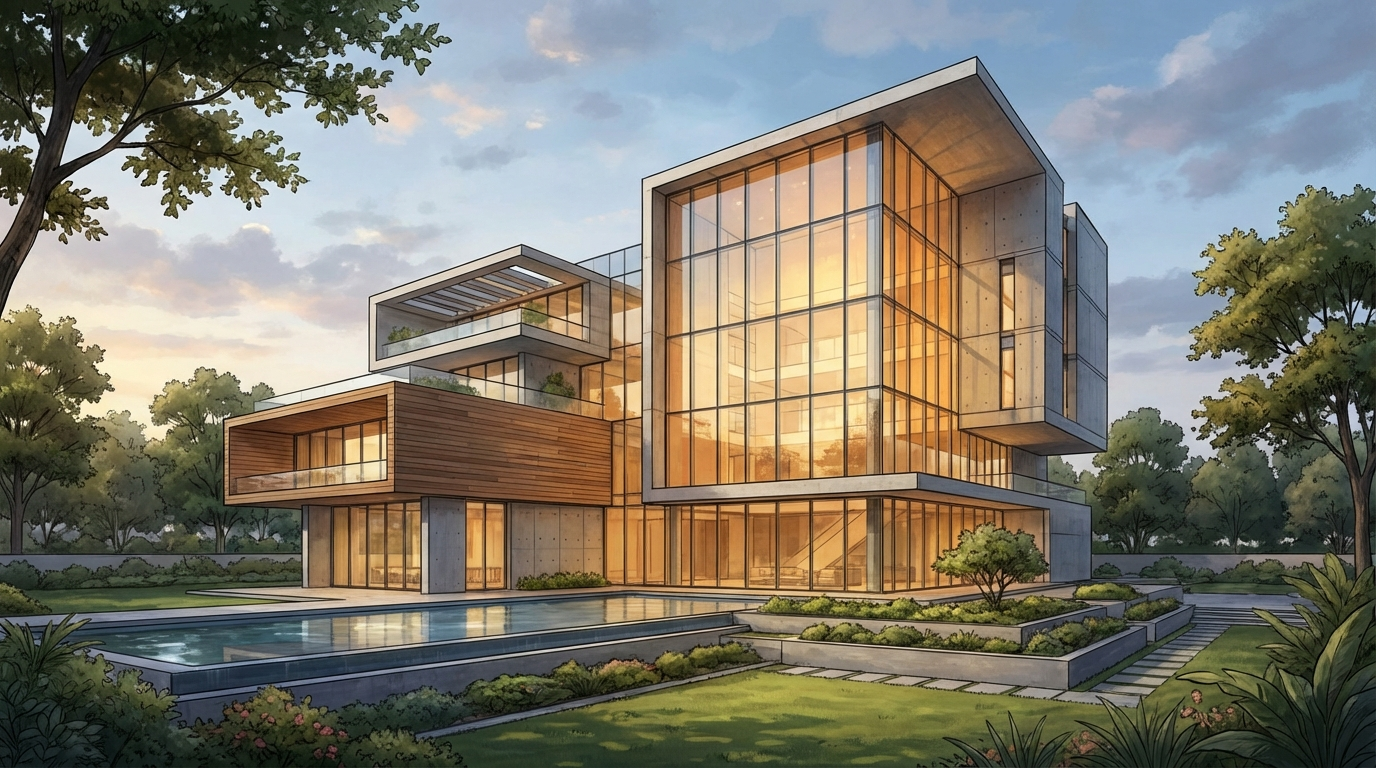
An AI architecture generator is a tool that uses artificial intelligence to create architectural concepts, building layouts, and design visuals automatically. By analyzing prompts, reference images, or sketches, AI models can generate architectural designs that help architects explore new ideas and design directions.
Instead of manually designing each concept from scratch, architects can use an AI architecture generator to quickly produce multiple variations of a building design. This allows design teams to explore architectural styles, building forms, and spatial layouts much faster.
AI architecture generators can assist with tasks such as:
- generating building concepts from prompts
- creating architectural images and visualizations
- exploring building massing and structural forms
- generating architectural layout concepts
- visualizing design ideas before detailed modeling
These capabilities help architects move quickly from a design idea to a visual architectural concept.
How AI Architecture Generators Work
AI architecture generators use machine learning models trained on large datasets of images and architectural designs. These models analyze prompts, sketches, or reference images and generate new architectural visuals based on that input.
Most AI architecture generators work through a simple process:
- Enter a prompt describing a building or design concept
- Upload a reference image or sketch if desired
- The AI model generates architectural images based on the input
- Architects refine and iterate on the results
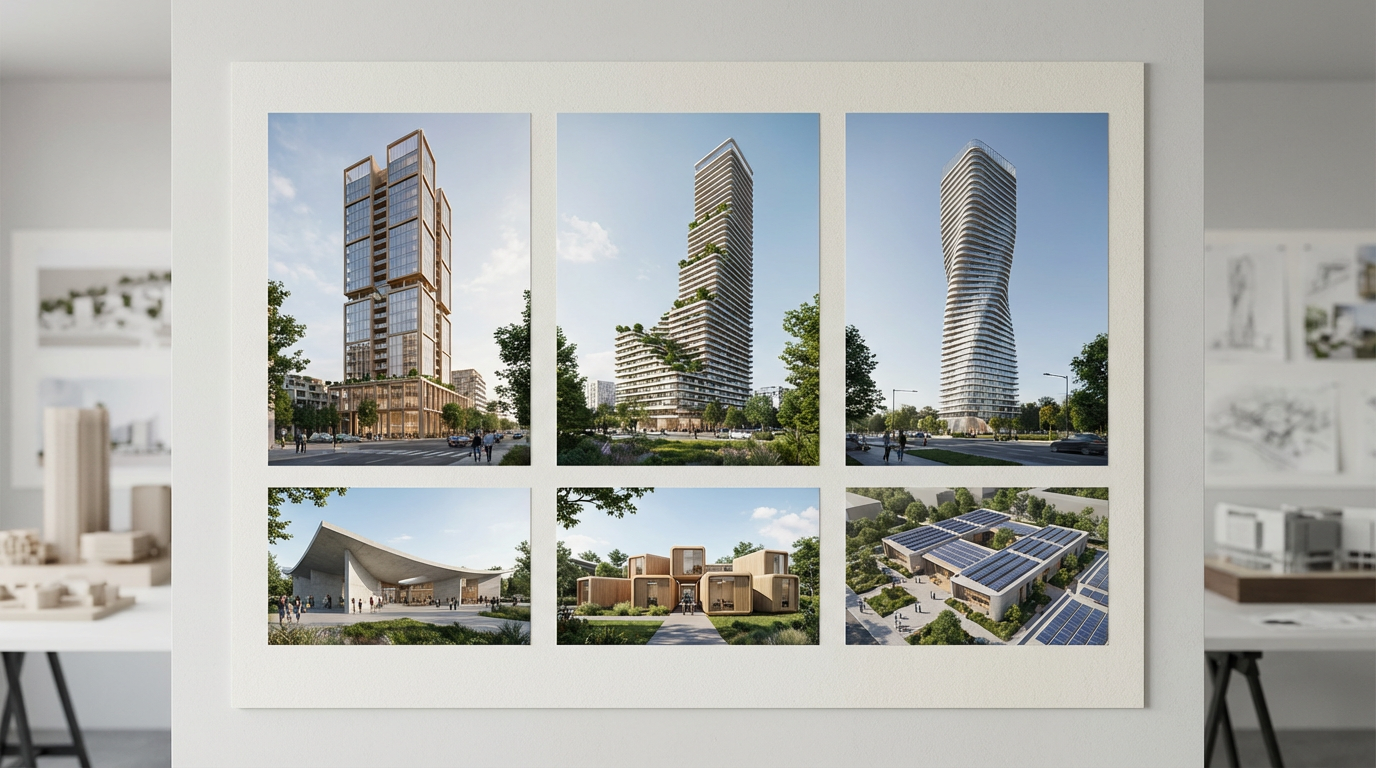
For example, an architect might enter a prompt like:
- modern hillside villa with floor-to-ceiling windows
- sustainable urban apartment building with green terraces
- futuristic museum with curved concrete forms
- contemporary coastal house with open balconies
Within seconds, the AI architecture generator produces building concepts that architects can explore and refine further.
Many architects now use AI architecture design generators to quickly explore building concepts before refining them into detailed architectural models.
Generating Architectural Images with an AI Architecture Generator
One of the most popular uses of AI architecture generators is architectural image generation.
Architects can generate visual building concepts that help communicate design ideas during early design phases. These images can represent building forms, spatial layouts, or design styles before any detailed modeling is created.
AI-generated architecture images can be used for:
- early design concept exploration
- client presentations
- architectural moodboards
- facade design inspiration
- visual storytelling for projects
If you want to explore tools specifically designed for creating architectural renders, you may find this guide to free AI render tools for architecture helpful:
These tools allow architects to transform AI-generated concepts into high-quality architectural visuals.
AI Architecture Plan and Drawing Generators
AI architecture generators can also help architects explore building layouts and spatial planning concepts.
Instead of creating a single layout, AI tools can generate multiple variations of floor layouts and building arrangements. This allows architects to test design ideas quickly and evaluate different spatial configurations.
Architects can use AI generators to explore:
- residential layout configurations
- building massing and floor plans
- facade compositions
- building height and structural forms
- site-responsive building shapes
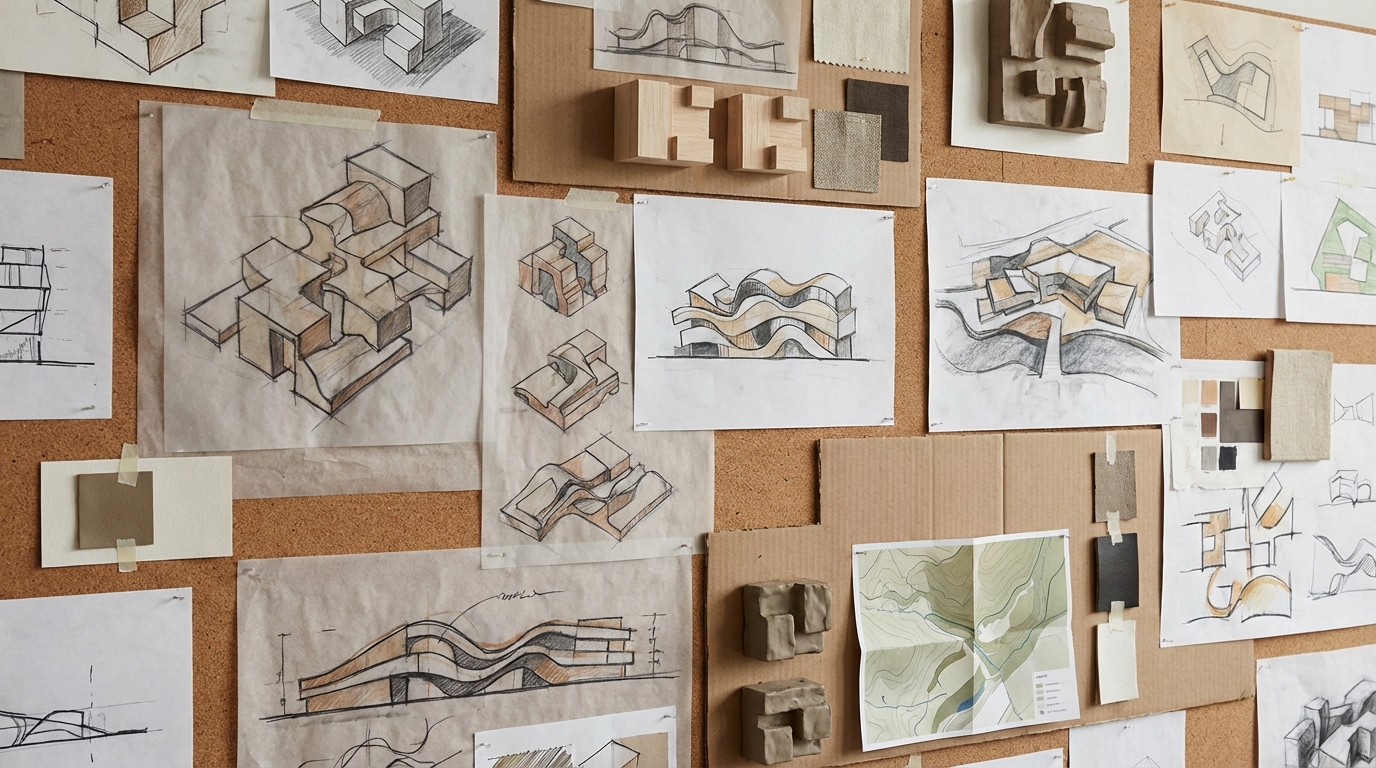
By generating multiple layout concepts quickly, architects can evaluate design directions before committing to detailed models.
Generating Architectural Concepts and Visual Studies with AI
AI architecture generators are especially useful for creating architectural concept studies and visual design explorations.
Instead of building detailed models early in the process, architects can generate visual concepts that represent building forms, materials, and design ideas. These visual studies help architects evaluate different design directions before investing time in detailed modeling.
Architects commonly generate visual architecture concepts such as:
- conceptual building designs
- facade design variations
- architectural style explorations
- urban design concepts
- residential and commercial building studies
These AI-generated visuals act as a rapid concept exploration tool. Architects can quickly generate multiple design directions and identify promising ideas before moving into detailed architectural modeling workflows.
This approach allows architecture teams to experiment with creative ideas, communicate design concepts to clients, and refine architectural direction much earlier in the design process.
AI Architecture Generator Workflows on RunDiffusion
RunDiffusion includes structured workflows that help architects generate architectural concepts and building visuals using AI tools. These workflows simplify complex AI pipelines and allow architects to focus on design exploration.
Several RunDiffusion workflows work particularly well as AI architecture generators.
Early-Stage Concepting & Moodboarding
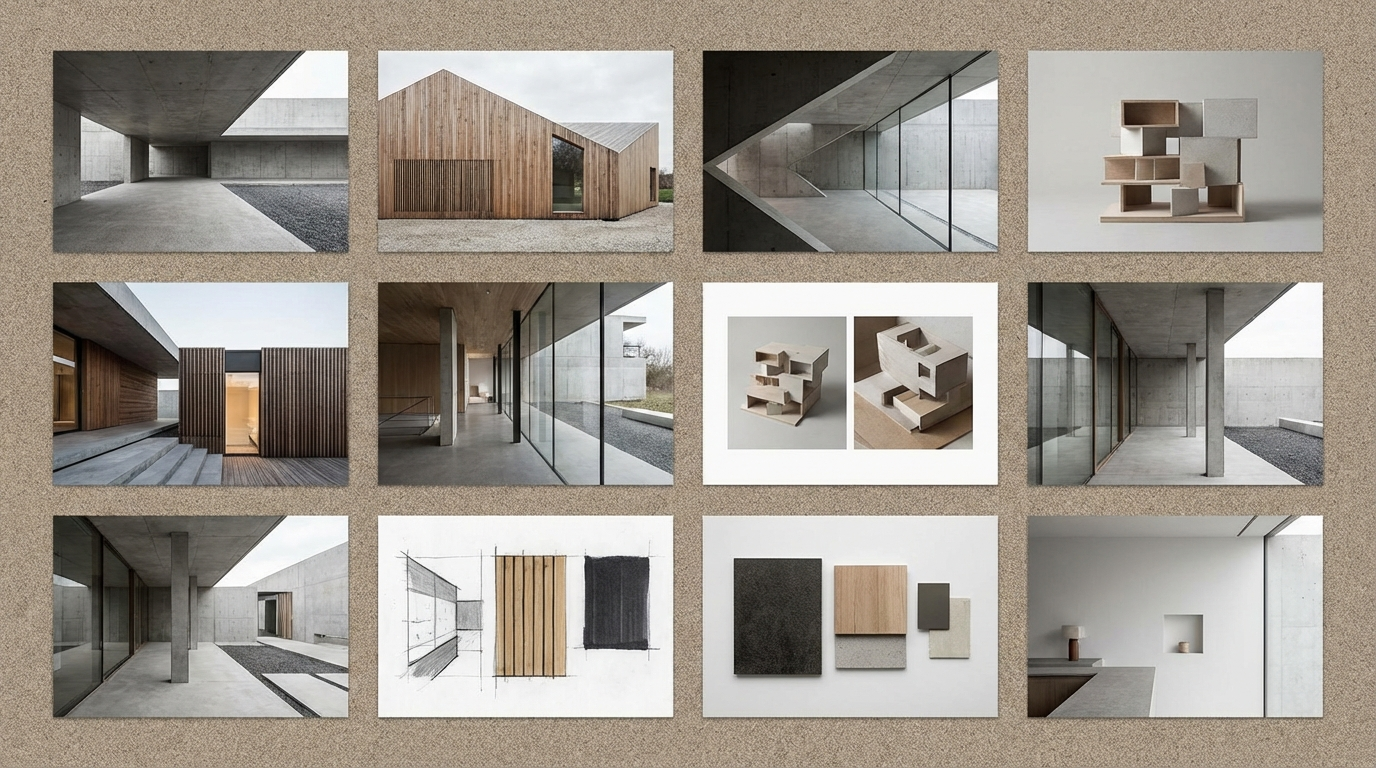
Architectural projects often begin with inspiration and visual exploration.
The Early-Stage Concepting & Moodboarding template allows architects to generate design inspiration, experiment with architectural styles, and explore visual design directions.
This workflow helps with:
- architectural concept generation
- design inspiration and moodboards
- exploring architectural aesthetics
- early project discussions
Explore the template here:
Architecture Sketch to Render
Many architects start projects with simple sketches or conceptual drawings.
The Architecture Sketch to Render template allows architects to convert sketches into detailed architectural visuals using AI.
This workflow typically includes:
- Uploading a concept sketch
- Adding prompts describing materials or style
- Generating a realistic architectural visualization
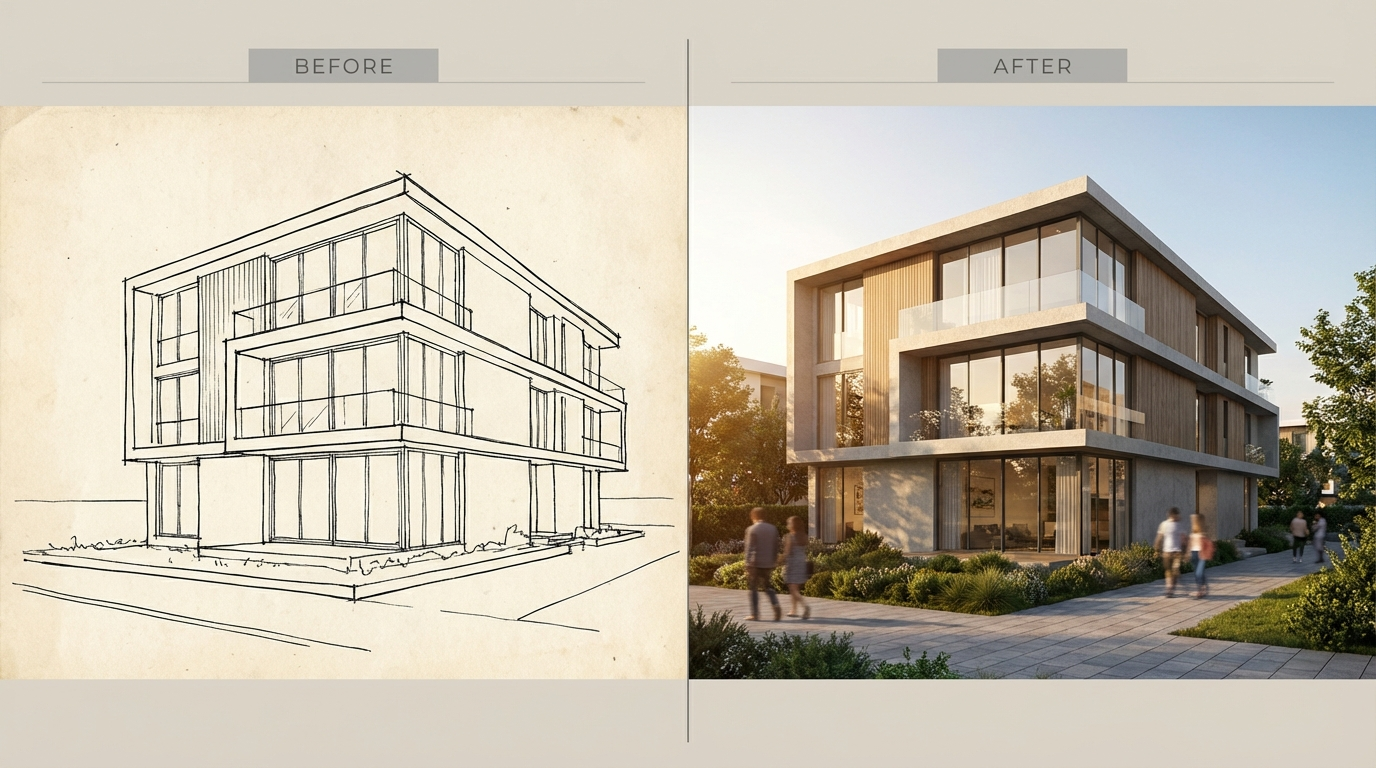
Explore the workflow here:
Massing and Form Exploration
Architects frequently explore different building forms during early design phases.
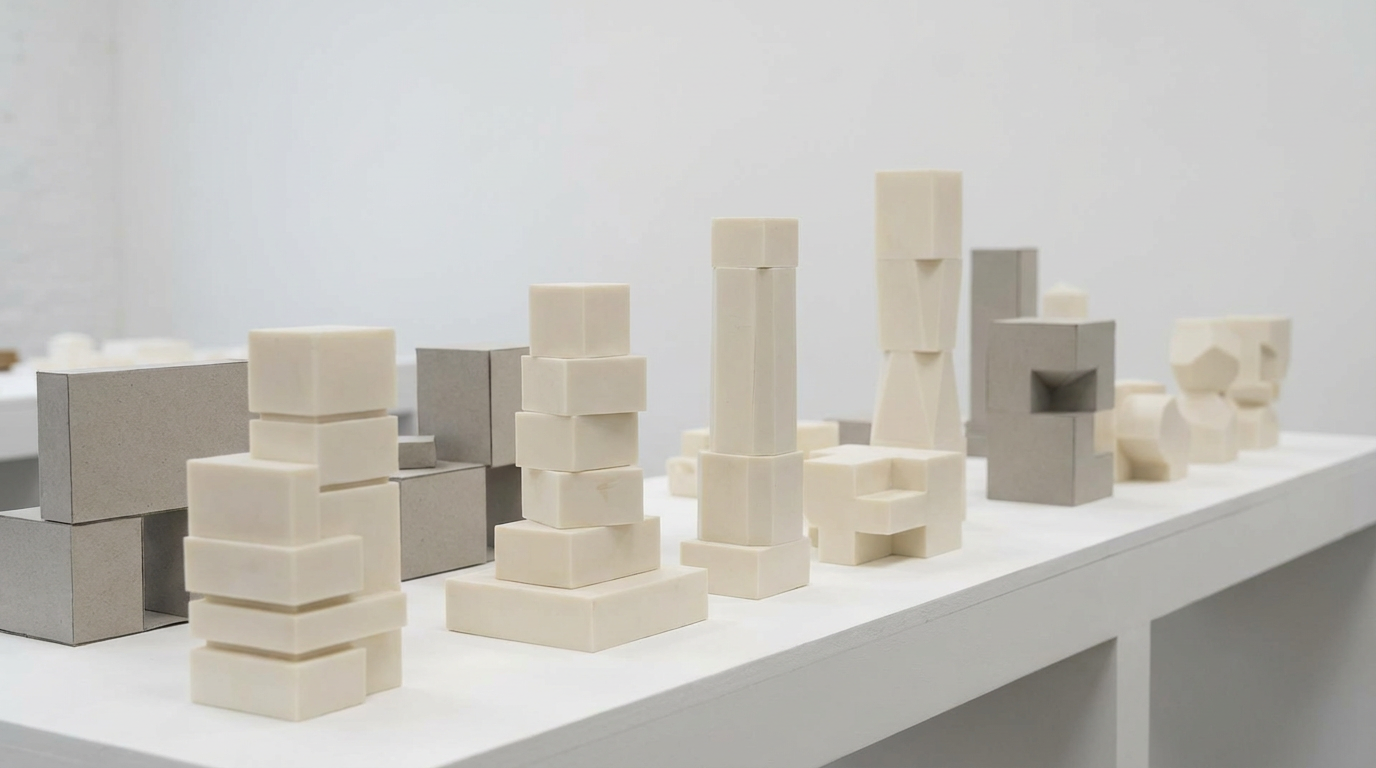
AI workflows can generate variations of building massing, silhouettes, and structural forms. This allows architects to explore architectural shapes and spatial concepts before modeling them manually.
These workflows help architects test ideas quickly and visualize how a building might appear in different design scenarios.
Landscape Architecture Visualization
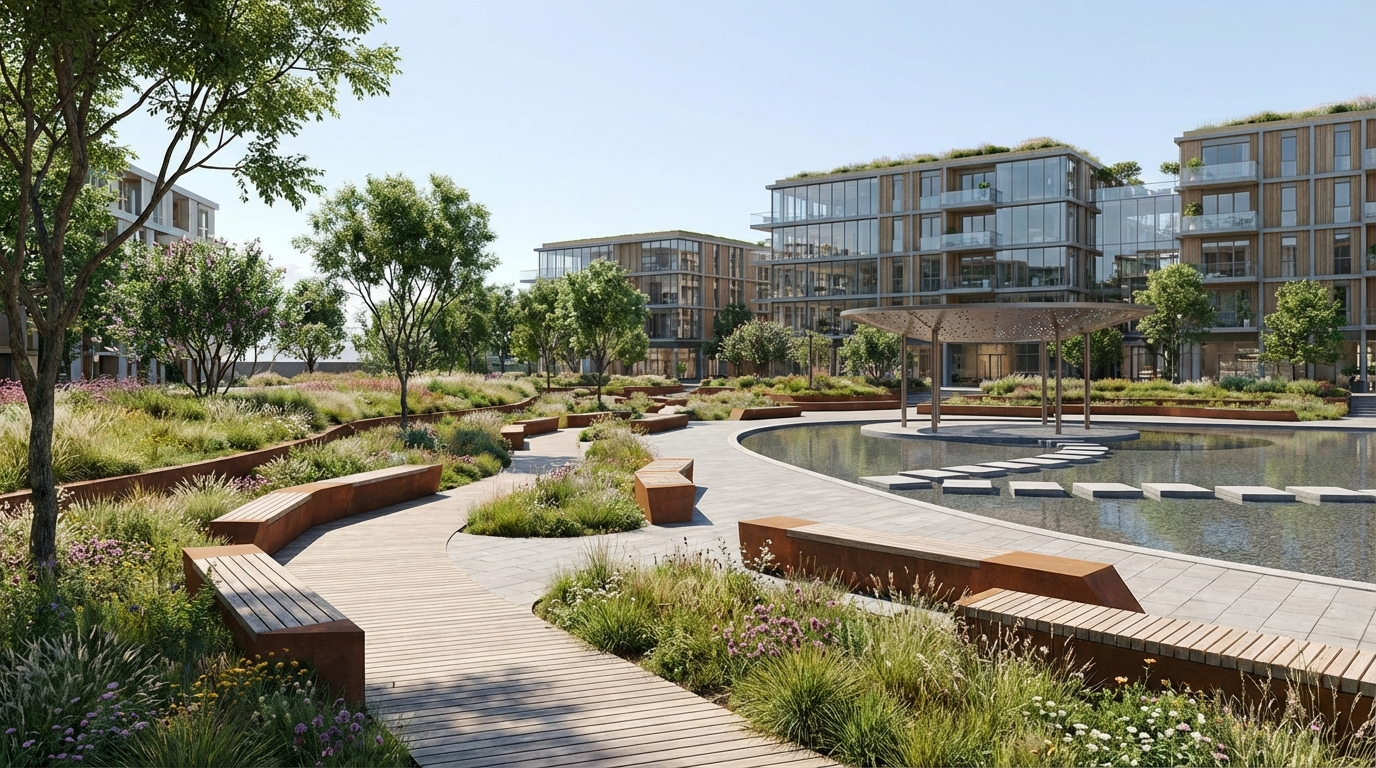
Architecture design also includes site planning and outdoor environments.
AI architecture generators can create visual concepts for parks, plazas, courtyards, and landscape designs. This allows architects and landscape designers to visualize site layouts early in the planning process.
These workflows help generate environmental design concepts and site visualizations that complement architectural designs.
How Architects Use AI Architecture Generators
Architects use AI architecture generators throughout the design process to accelerate concept development and visual exploration.
Typical workflows include:
- Generating architectural concepts from prompts
- Creating moodboards for design inspiration
- Exploring building massing variations
- Converting sketches into architectural renders
- Refining visual concepts for presentations
This allows architects to explore more design ideas while spending less time on repetitive early-stage visualization work.
Getting Started with an AI Architecture Generator
Architects can begin generating architectural concepts directly within the RunDiffusion platform.
To start creating architectural images:
- Log in at https://app.rundiffusion.com/login
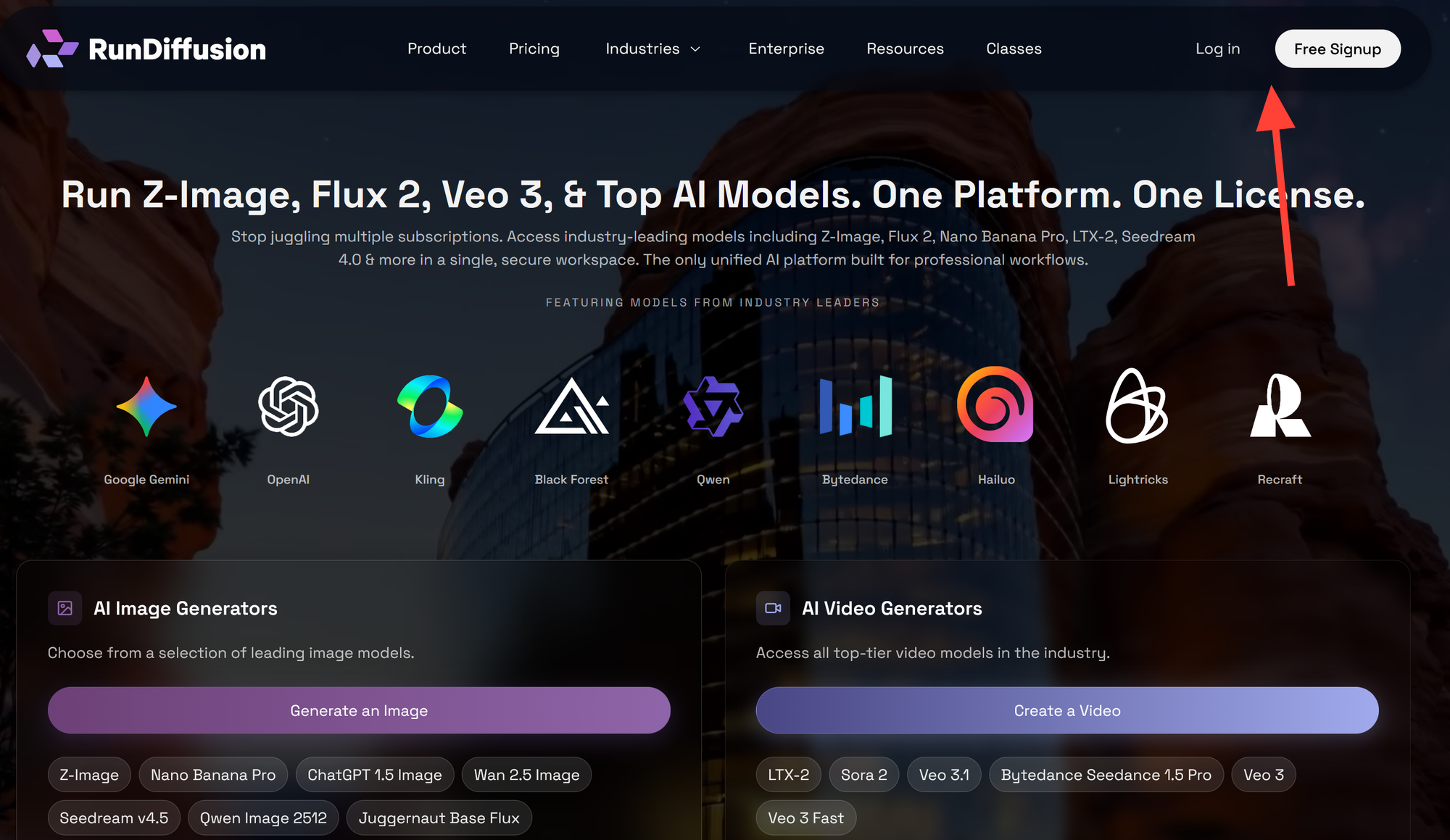
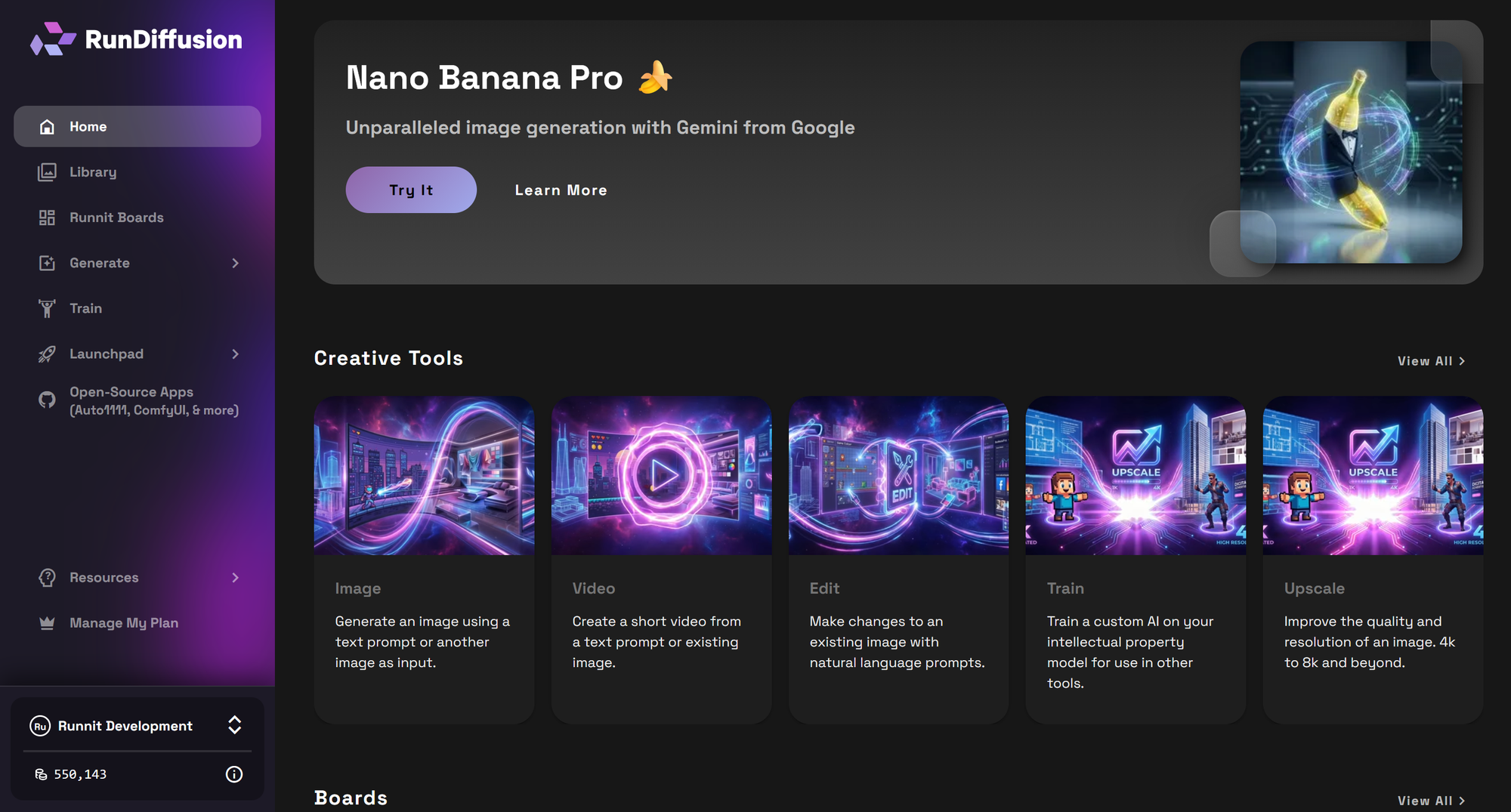
Once you login will be taken to the RunDiffusion Runnit Platform.
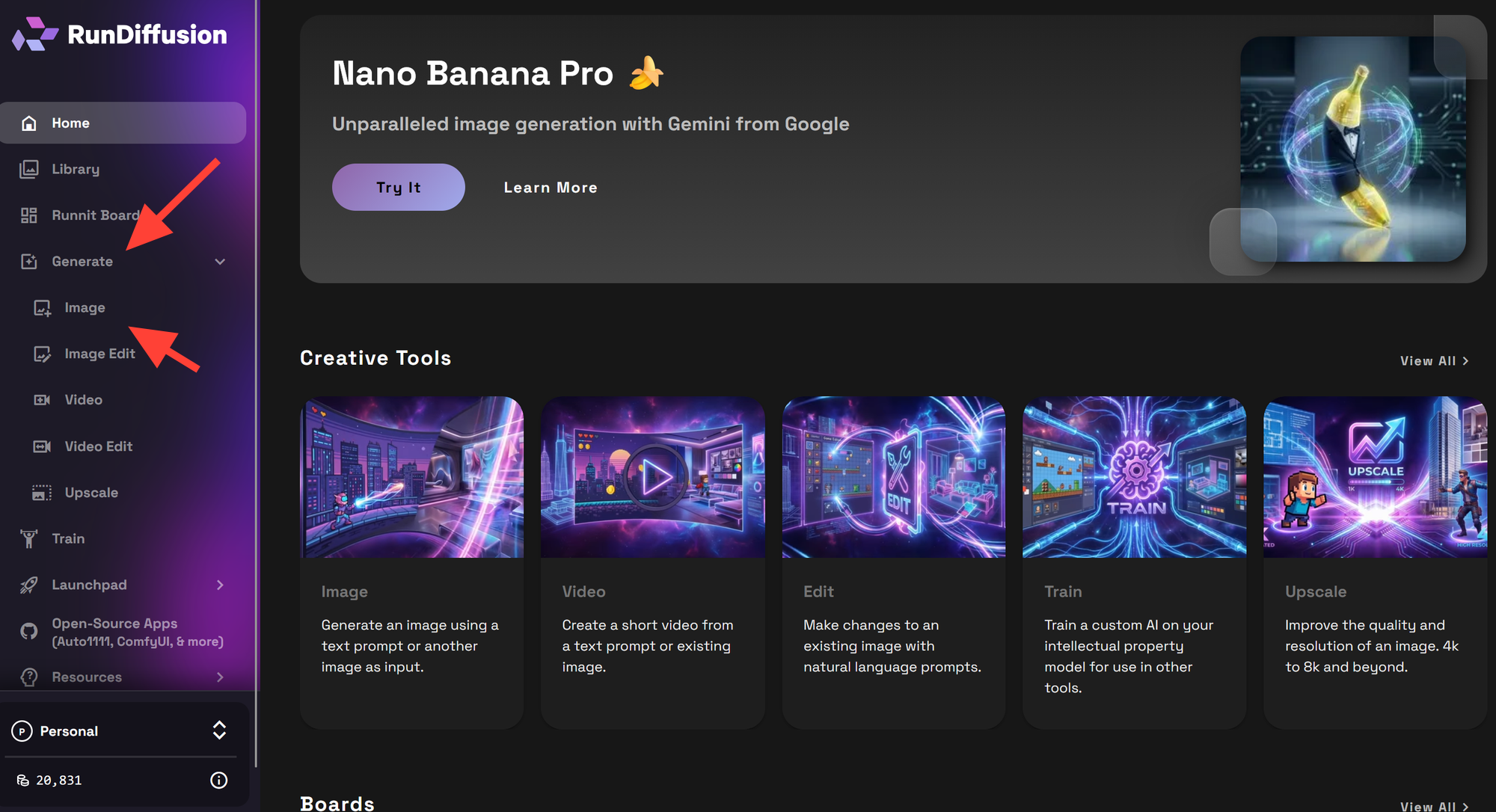
Select Generate then Image on the left sidebar.
Write a prompt of what you want to create then Click Run.
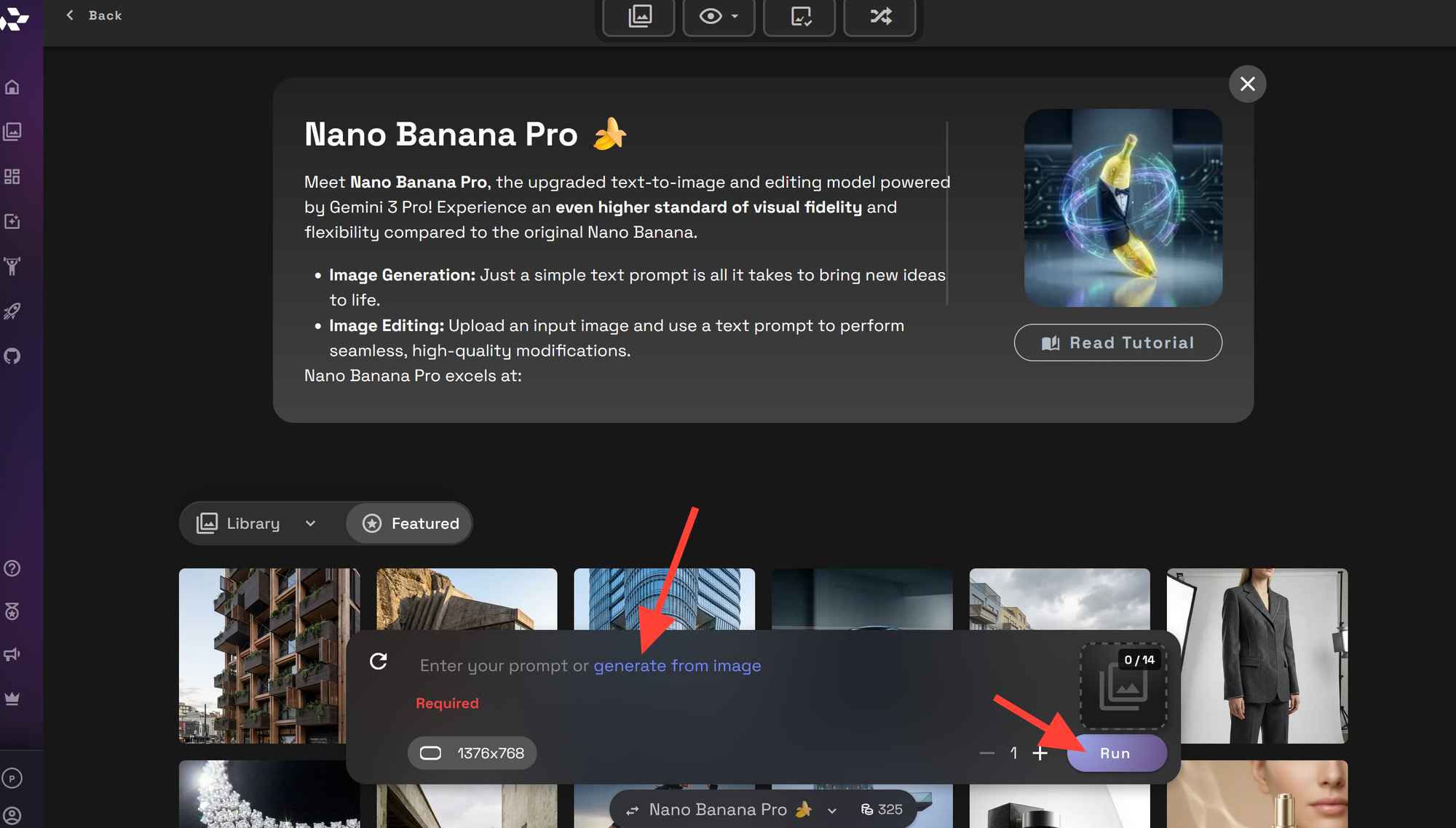
Within seconds, RunDiffusion generates architectural concepts that can be refined using additional prompts, references, or workflows.
This allows architects to experiment with design ideas quickly and generate visual concepts without complex software setups.
The Future of AI Architecture Generators
AI architecture generators are becoming an increasingly important part of architectural design workflows. Rather than replacing architects, these tools enhance creativity and help designers explore ideas more efficiently.
Architects can use AI architecture generators to:
- generate building concepts faster
- explore architectural styles and forms
- visualize building layouts early in the design process
- create presentation-ready concept visuals
- experiment with new architectural ideas
As AI tools continue to evolve, architects will gain even more powerful ways to generate design concepts and visualize architecture using artificial intelligence.
AI Architecture Generator FAQ
What is an AI architecture generator?
An AI architecture generator is a tool that creates architectural concepts, building layouts, and design visuals using artificial intelligence. Architects can generate building ideas from prompts, sketches, or reference images.
Can AI generate building designs?
Yes. AI tools can generate architectural concepts, building forms, and visualizations that help architects explore design ideas quickly. Architects then refine these ideas into detailed architectural plans and models.
How do architects use AI architecture generators?
Architects use AI architecture generators to create building concepts, explore architectural styles, generate facade ideas, and visualize early-stage designs. These tools help accelerate the concept design phase of architectural projects.
Can AI create architectural drawings?
AI tools can generate architectural visuals and conceptual drawings, but architects still refine these designs into technical plans and construction drawings using professional design software.
Are AI architecture generators free?
Some AI architecture generators offer free versions or limited tools, while others provide more advanced features through professional platforms like RunDiffusion that support high-quality architectural image generation and workflows. RunDiffusion provides a daily free tokens that can be used to generate with some of their tools.
