


Introduction
Team Roles in RunDiffusion's Runnit Platform help Company admins control what each member can access and manage. This article explains how Team Roles work, what each permission controls, and how the current Team Roles UI is organized.
Team Roles help admins control access, generation, training, team management, shared assets, and opensource application access. The article follows the current Team Roles interface layout.
Team Roles are available for Enterprise accounts. If your team would benefit from these features, please contact us.
How to access Team Roles
To access Team Roles in RunDiffusion Platform:
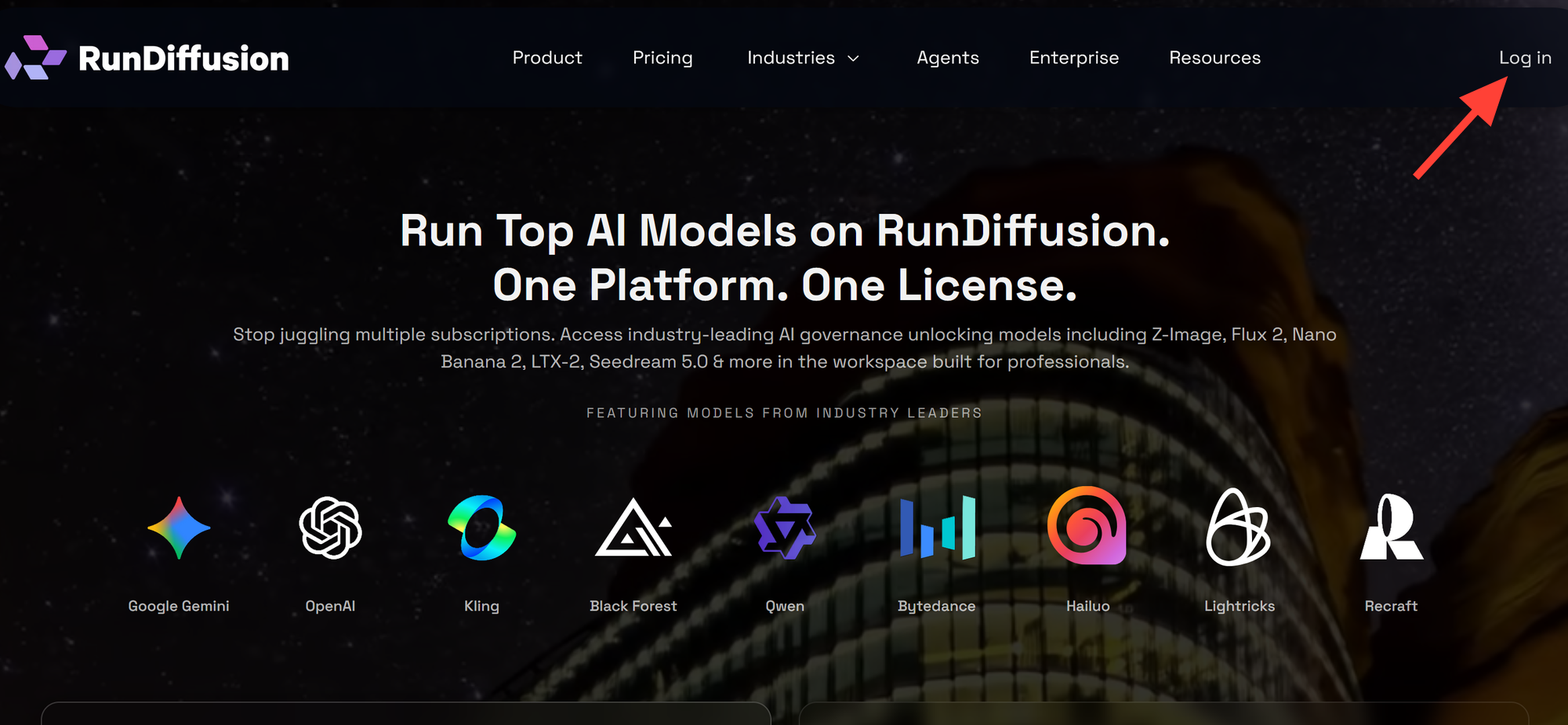
Log in to RunDiffusion.
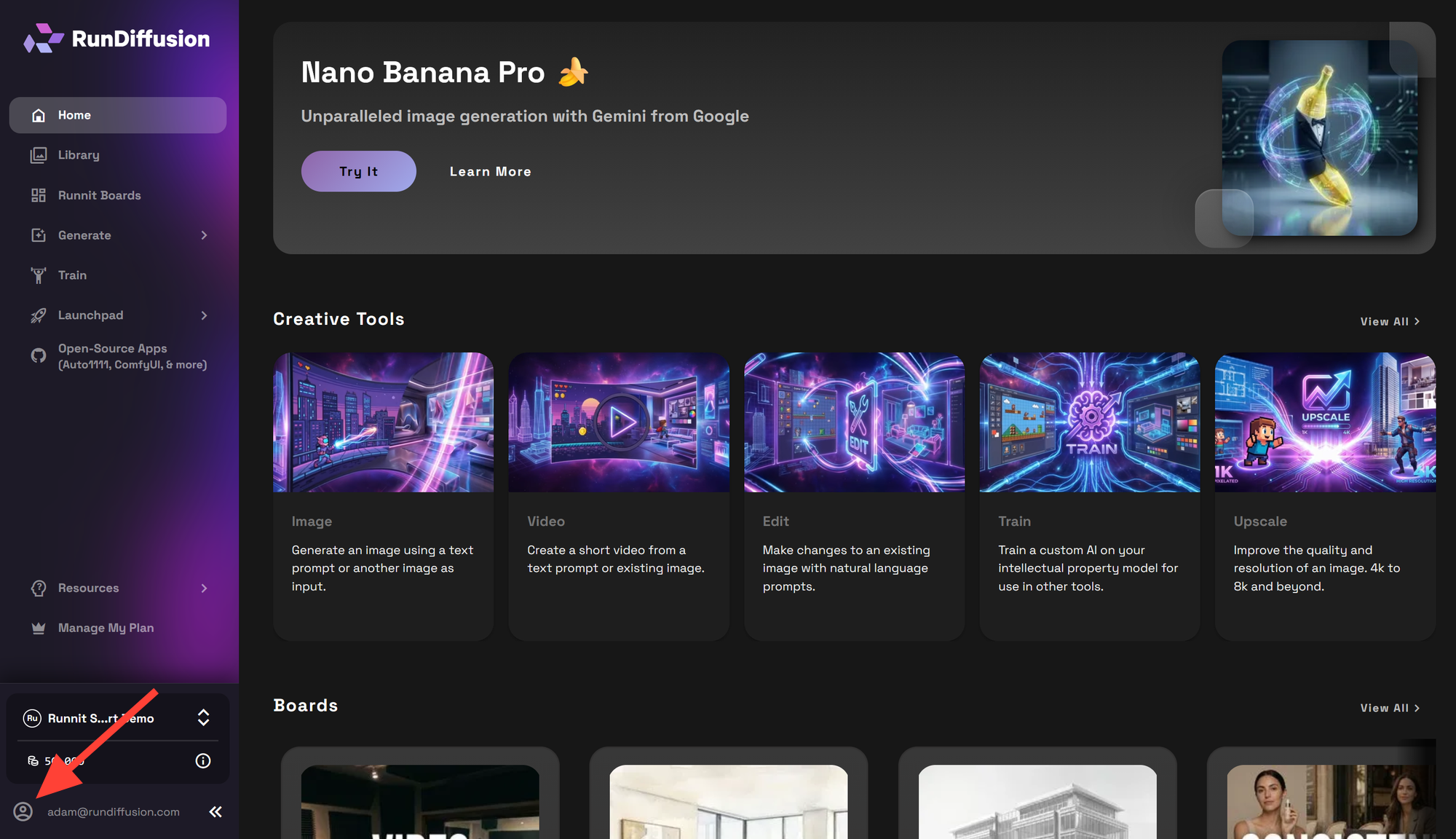
Click on the Account Button in the bottom left.
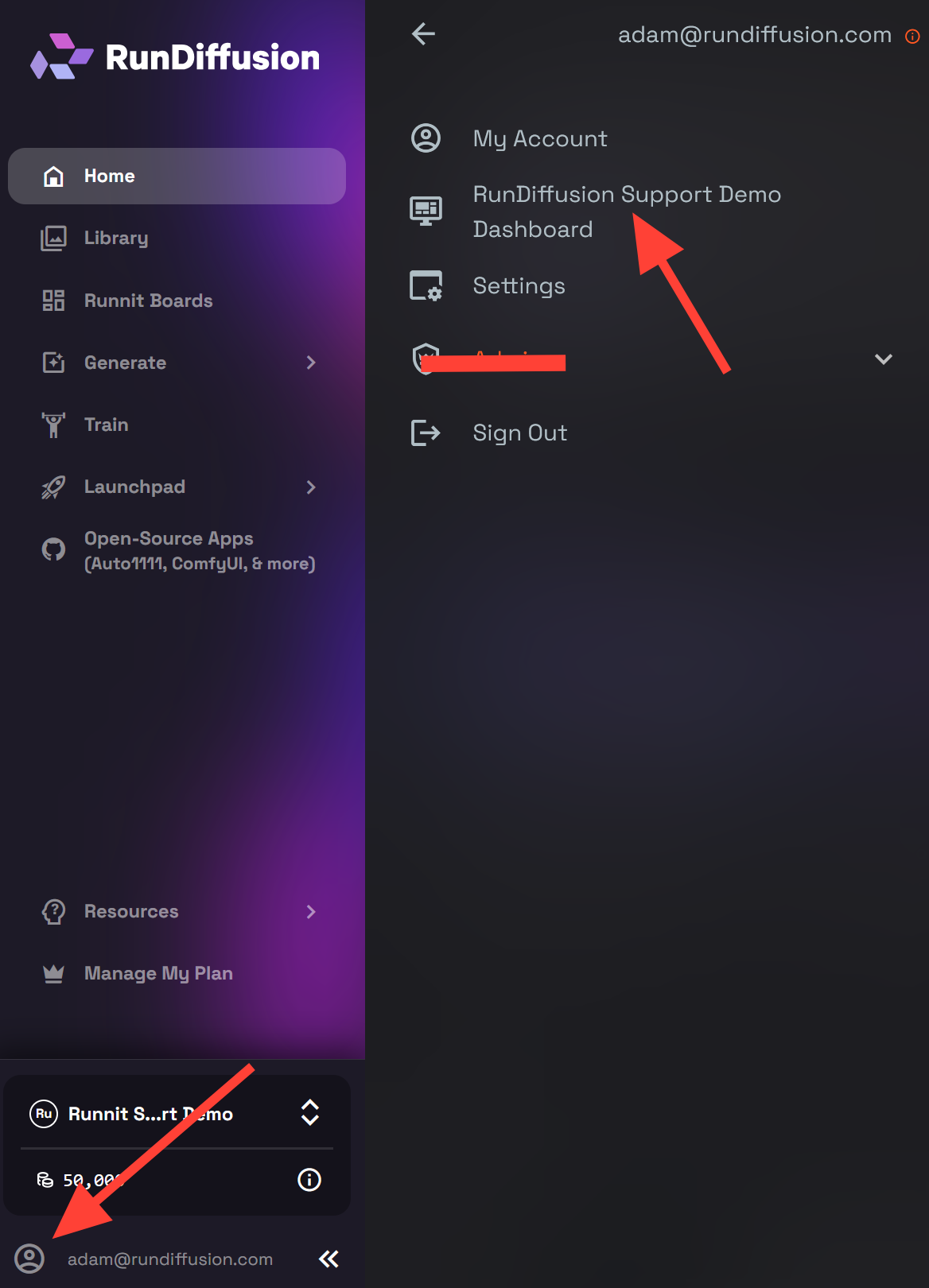
Open the Company Dashboard or Company Settings area.
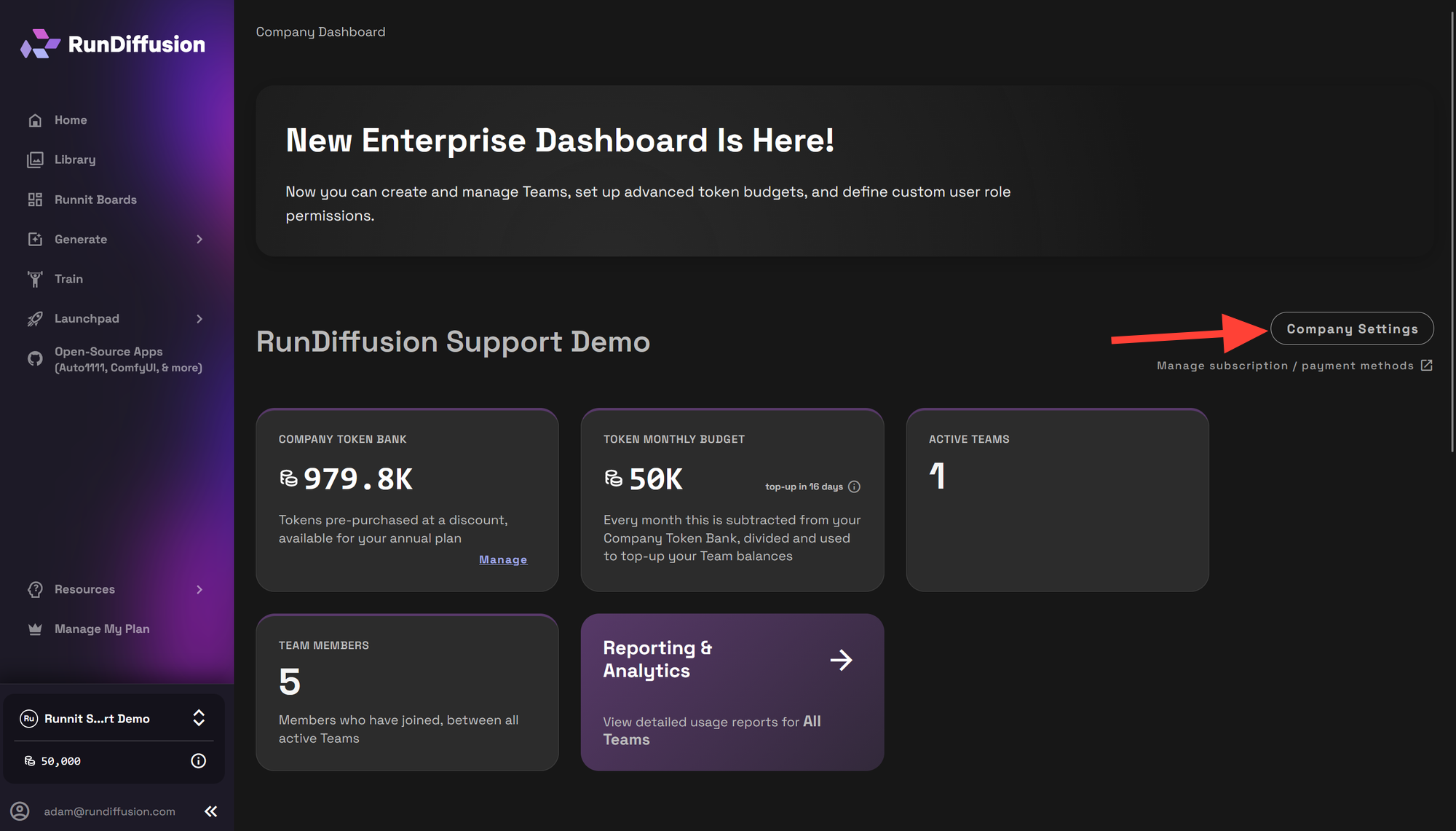
Click on Company Settings
Click on Team Roles
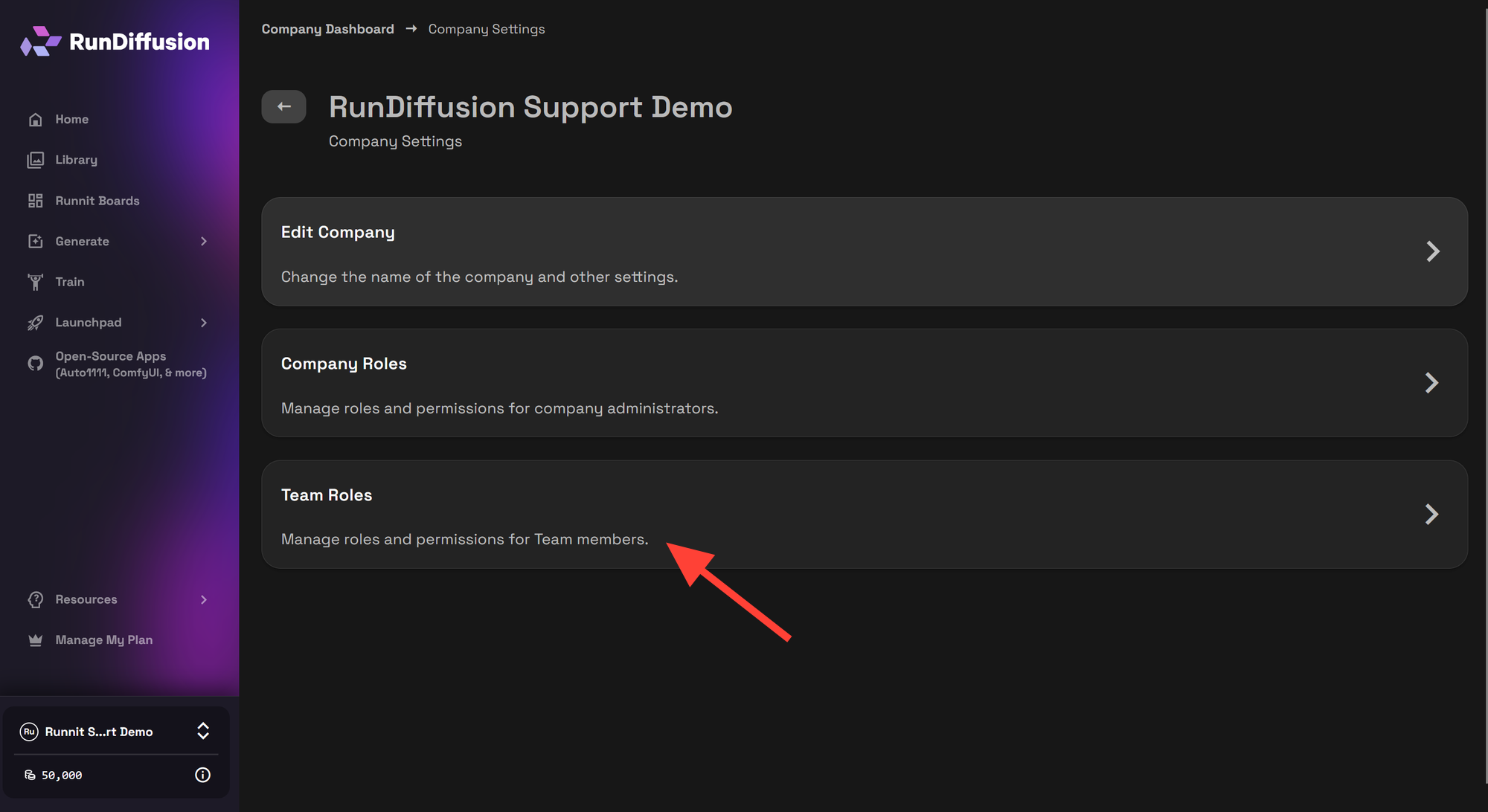
Click on Select a role
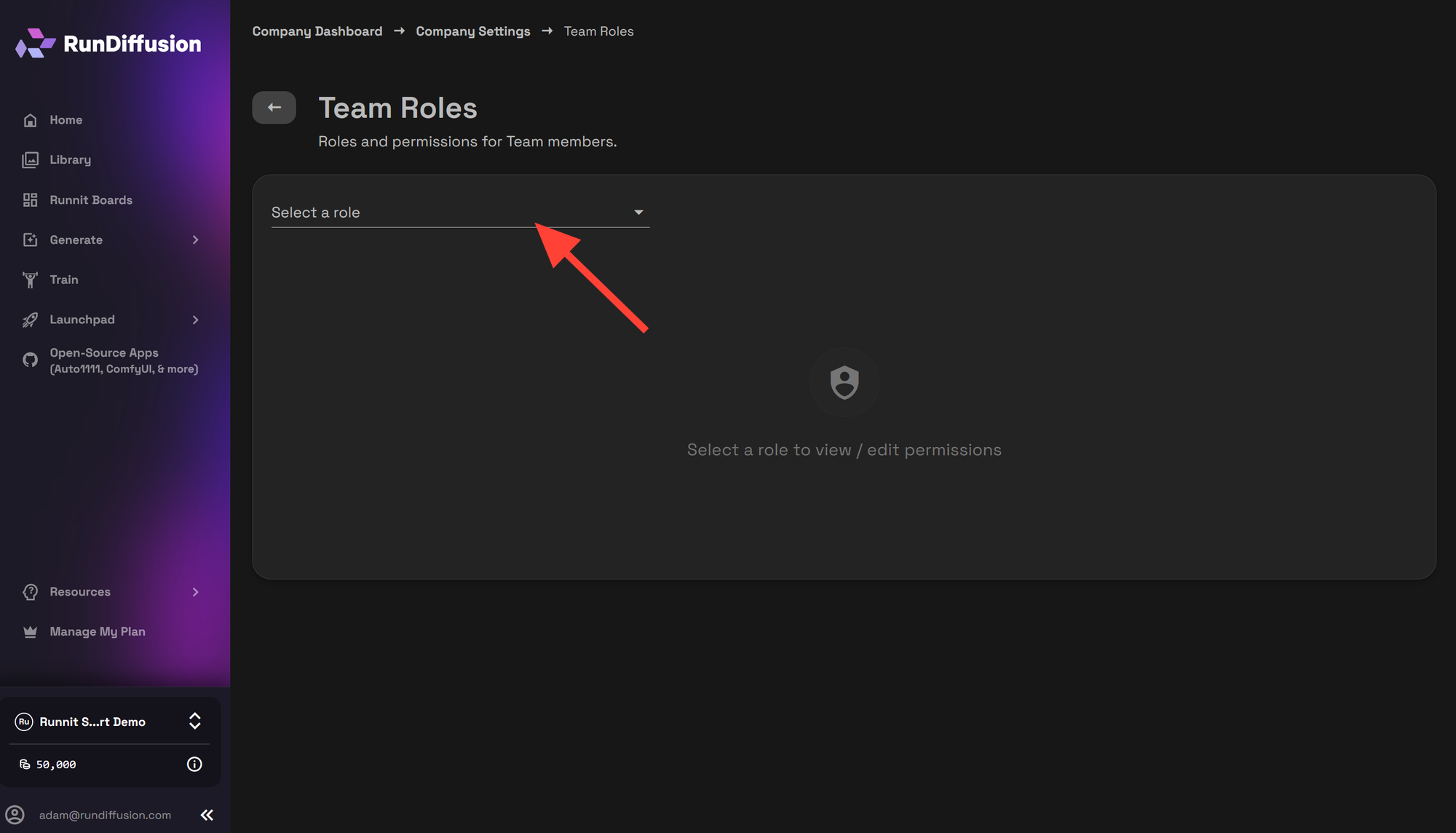
Click on a role to edit
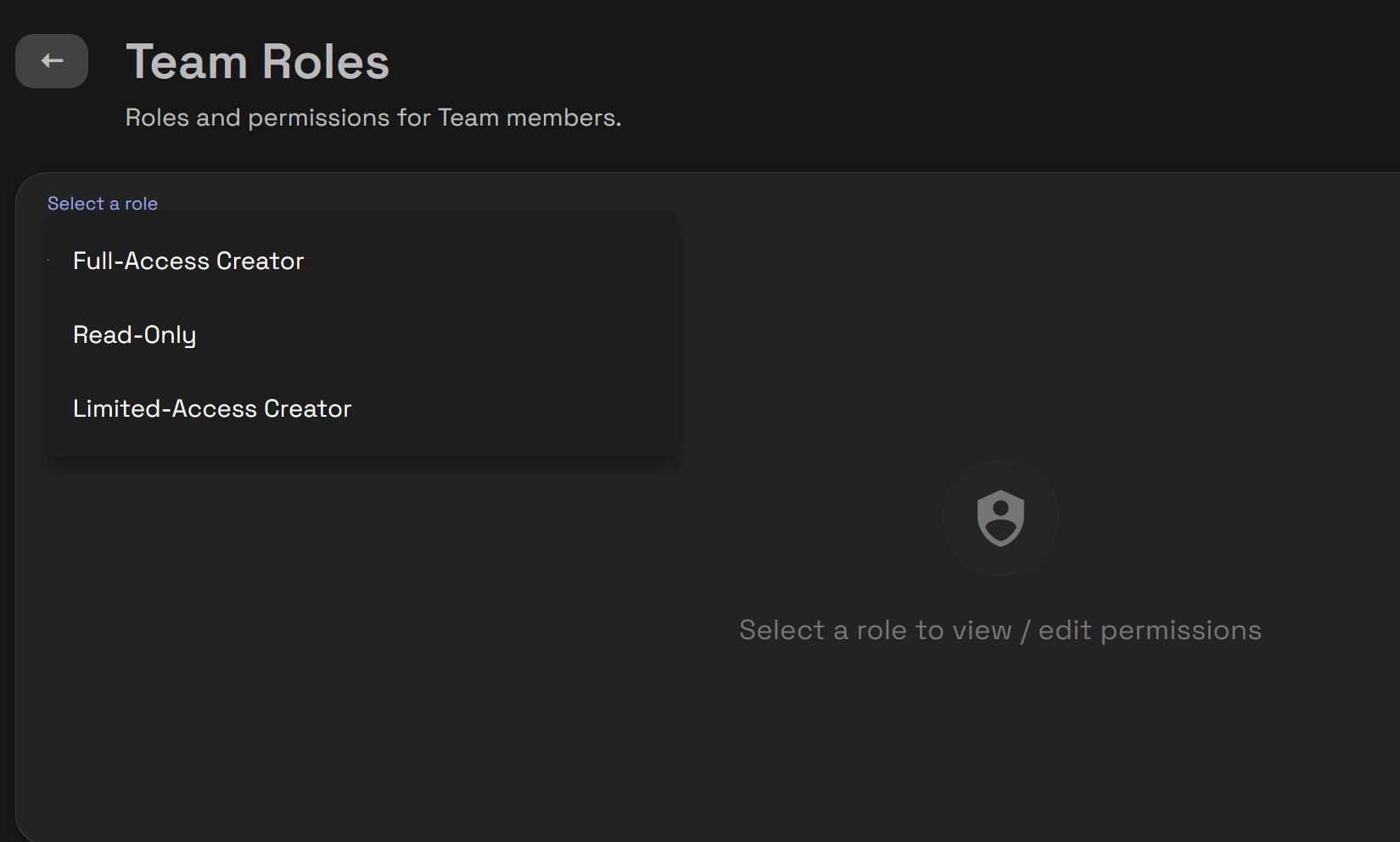
Click on Edit after you select a role
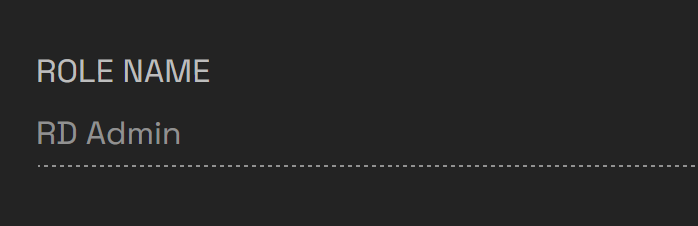
Role Name
Role Name is the visible name assigned to the role. Team members see this label when the role is applied to their account.
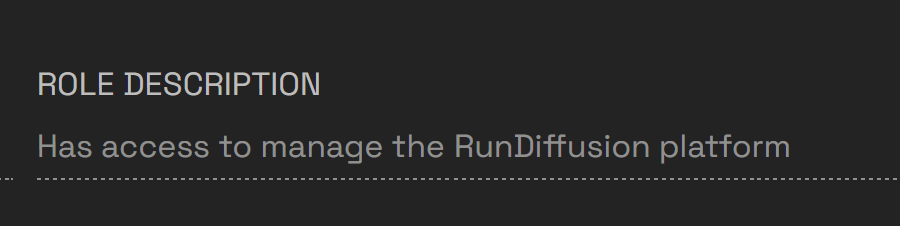
Role Description
Role Description explains the purpose of the role, such as admin, creator, reviewer, or limited-access member.
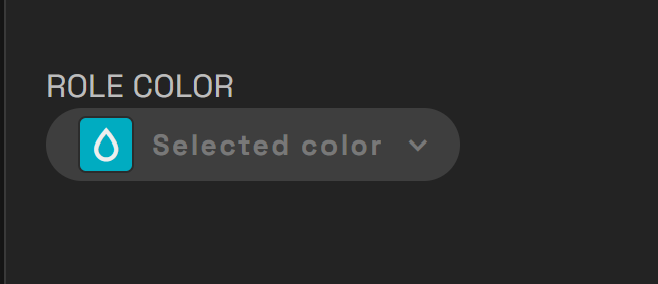
Role Color
Role Color helps visually identify the role inside the Team Roles interface.
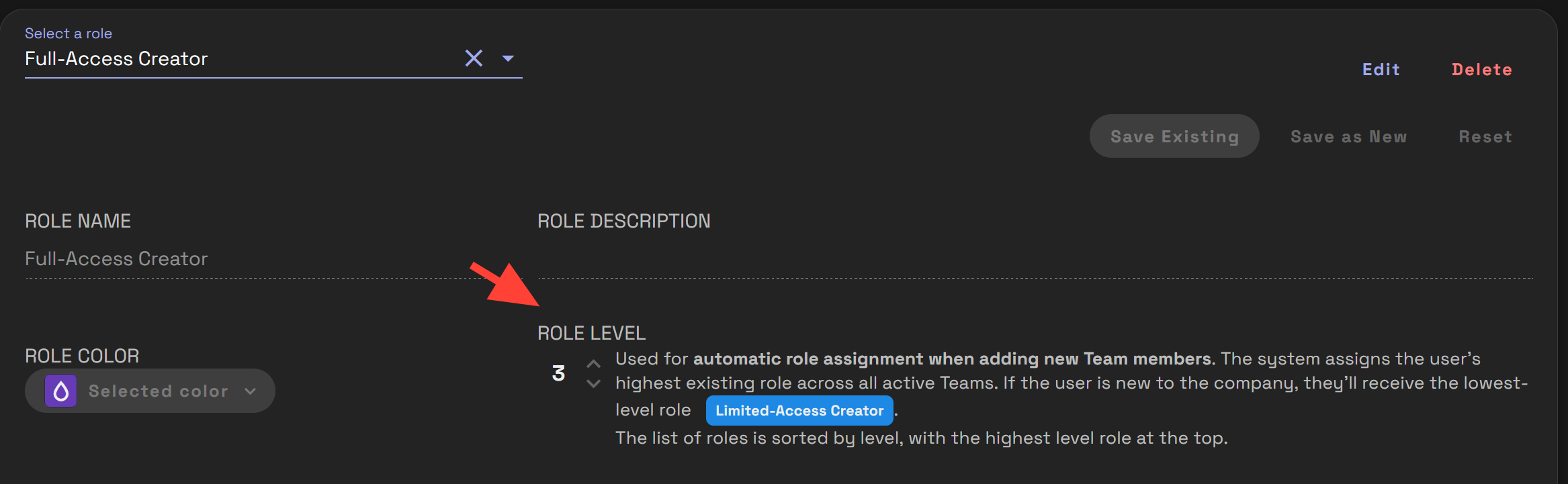
Role Level
Role Level is used for automatic role assignment when adding new Team members. The system assigns the user's highest existing role across active Teams. If the user is new to the company, they receive the lowest-level role. Roles are sorted by level, with the highest role at the top.
Team permissions
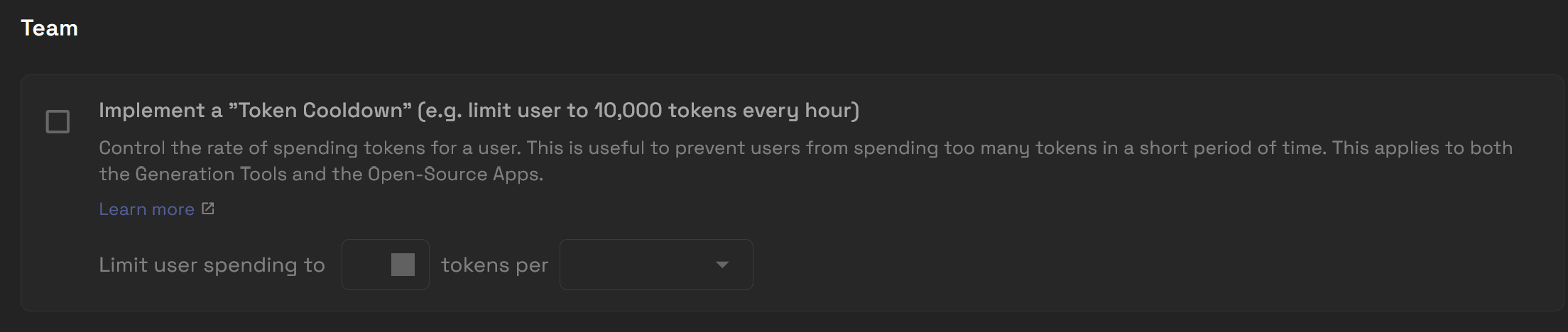
Implement a “Token Cooldown”
This permission limits how fast a user can spend tokens over a set time period, such as per hour. It applies to both Generation Tools and Open-Source Apps, which makes it useful for controlling rapid spending during onboarding or for budget-sensitive roles.
For a deeper explanation, see Cooldown Tokens.
Show Team token balance
This controls whether the member can see the Team token balance.

Can manage members
This allows inviting, updating, and removing Team members.

Generation Tools permissions
Can generate
This permission allows users to create AI-generated content using image, video, and edit tools in RunDiffusion Platform.

Can use batch generations.
Allows users to run multiple settings variations from one tool in a single workflow.

Limit per generation token cost
This caps the token cost of a generation. It helps prevent expensive generations before a user has the right training or approval.

Limit number of results per run
This controls how many images or videos a user can generate in a single run.

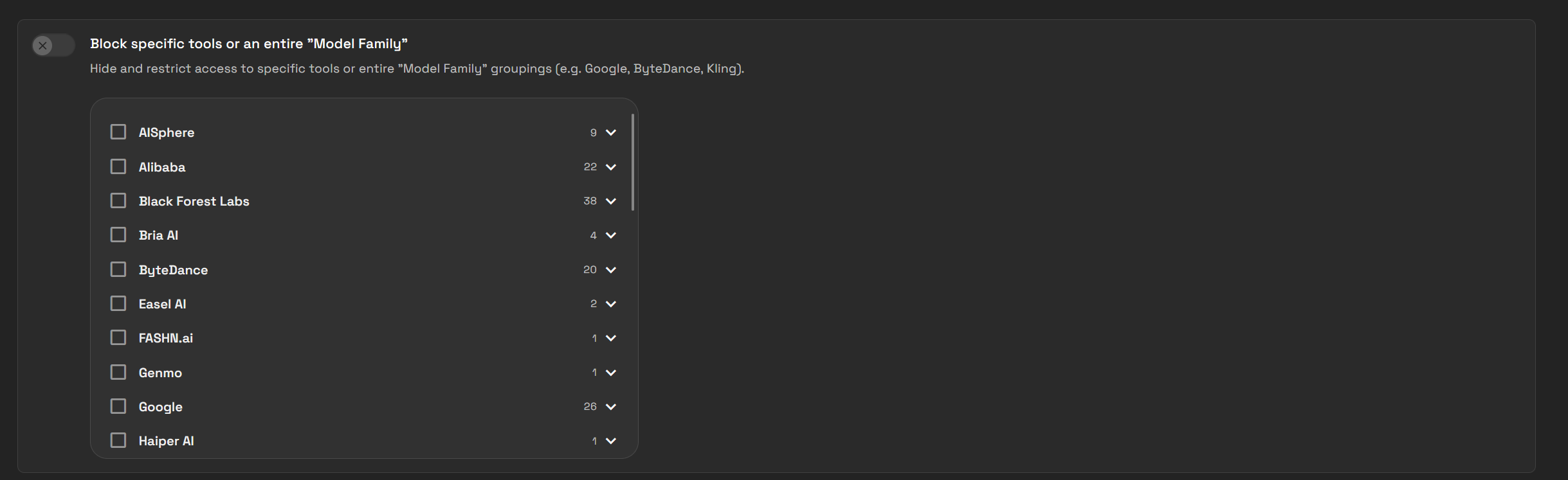
Block specific tools or an entire “Model Family”
Admins can hide or restrict access to selected tools or broader model-family groupings. This is useful for limiting access to approved tools, restricting vendors or model groups, and simplifying the interface for specific roles.
Can train models
This allows users to create and train custom AI models using the platform's training capabilities.

Can manage Shared assets
This allows users to edit, delete, and change access settings for Shared and Restricted assets.

Can manage everyone’s generations and boards
This allows users to view, edit, and delete any generation or board created by the Team, including Private assets. This permission is broader team output oversight. It is not the same as managing Shared assets.

Open-Source Apps permissions
Can use Open-Source Apps platform
This grants access to view and use the Opensource Applications area. These permissions apply to opensource applications. They are separate from RunDiffusion Platform features such as Runnit Boards, Tools, and Unified Tools.

Can manage Open-Source Apps platform
This grants permission to manage the Opensource Applications environment for the Team.

Best practices / recommended role patterns
Admin
Use for full Team oversight, including member management, generation access, training, shared assets, and opensource application management.
Manager
Use for team leads who need to manage members and oversee output, but may still work within spending limits.
Creator
Use for members who need to generate content and possibly train models, without broader Team management permissions.
Reviewer / Viewer
Use for limited-access members who need visibility into Team work without generation, training, or management permissions.
Conclusion
Team Roles in RunDiffusion Platform give Enterprise admins a practical way to structure access across teams while keeping permissions aligned with the current UI.
For related setup and policy guidance, see these resources:
